- calendar_today June 8, 2026
TEXAS — The Texas Secretary of State’s office is preparing for a significant transition following Jane Nelson’s sudden resignation, just months before the state’s high-stakes midterm elections. As a trusted stabilizer in texas secretary of state history, Nelson’s pending departure on July 17 has generated concern among election officials, voting rights advocates, and local leaders about the continuity of election administration in Texas.
Leadership Change Raises Immediate Questions
Jane Nelson’s announcement comes at a critical juncture as Texas gears up for some of the most closely watched midterm elections in recent memory. The abrupt nature of her resignation has left state election office staff and local election officials awaiting Governor Greg Abbott’s appointment of a successor. Despite the governor’s requirement to fill the vacancy promptly, delays in naming a replacement have fueled uncertainty in political and legal circles statewide.
Role of the Secretary of State in Election Administration
While the texas secretary of state does not have law enforcement authority, the office plays a pivotal role in steering election procedures across Texas. Through legal opinions and procedural guidance, the secretary helps shape how counties manage elections. After recent years marked by turnovers in the position, many worry about recurring instability as another leadership handoff takes place—anxiety exacerbated by ongoing challenges in voter registration systems and statewide logistics.
Local Election Officials Stepping Up
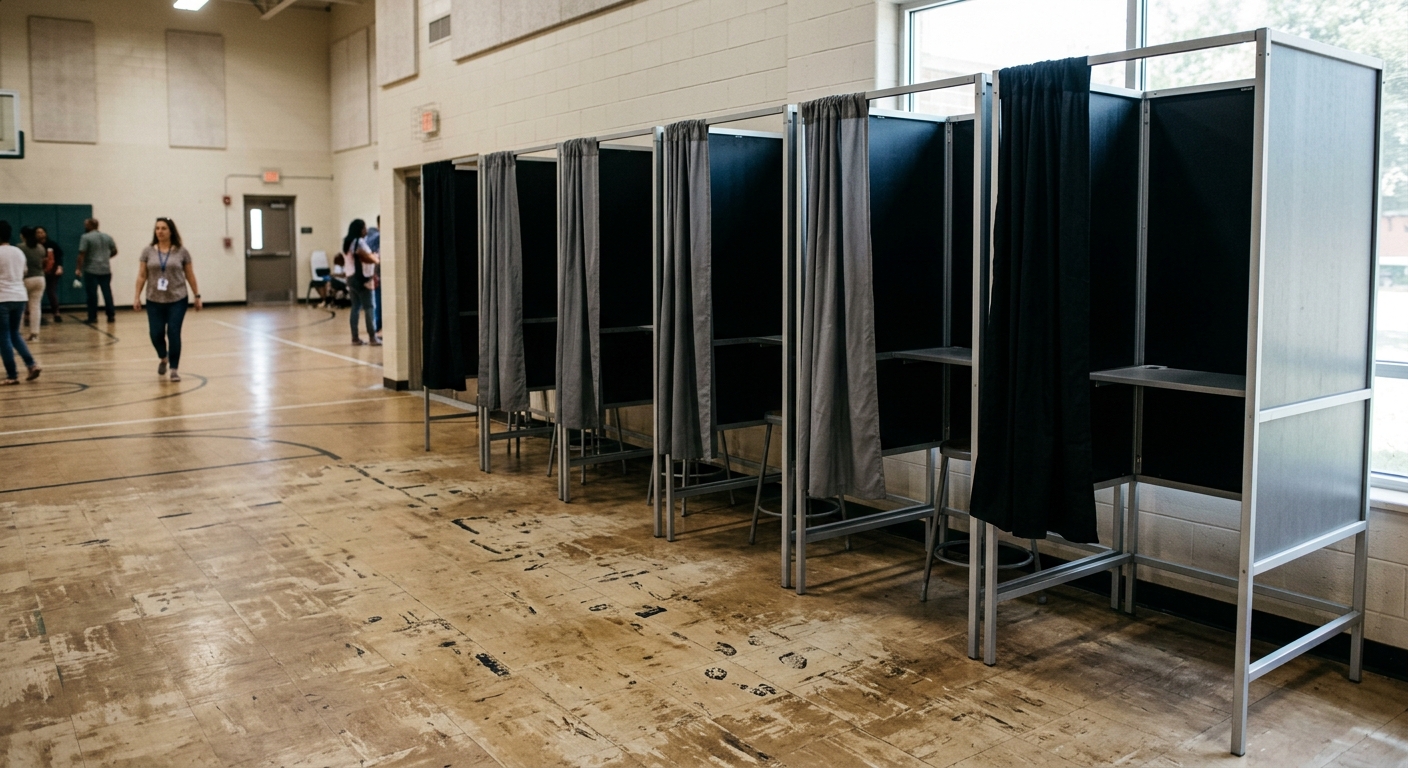
Despite the leadership transition, local election officials across Texas emphasize their primary responsibility for managing polling places, certifying results, and maintaining smooth operations. As one county election administrator noted, “While the state’s office gives direction, it’s our teams on the ground that carry out the work of statewide elections.” Many have pointed to the strength of Texas’s decentralized election framework as a safeguard against disruptions at the top of the state election office.
Challenges Facing Election Infrastructure
Persistent concerns about outdated voter registration databases, new lines drawn by mid-decade redistricting, and sporadic system glitches continue to impact election administration throughout the region. Several election officials are calling for increased election funding to enhance infrastructure, cybersecurity, and accessibility ahead of November’s contests. Advocates for voting rights stress the importance of clear guidance from the secretary’s office to support fair and efficient elections.
Community Confidence and Election Integrity
Both voting rights supporters and public officials agree that, while leadership turnover presents genuine risks, Texas’s experienced network of election professionals is well equipped to safeguard the integrity of the upcoming midterms. With midterm elections drawing national scrutiny, regional poll workers and volunteers remain focused on voter outreach and upholding critical procedures.
Looking Ahead in Texas
While Texas awaits news of the next texas secretary of state, local communities are working closely with state resources to ensure a seamless transition. Stakeholders hope that new leadership will prioritize robust election procedures, expanded election funding, and improvement in voter registration systems to benefit voters and bolster trust in the process. Ultimately, Texas’s elections are in the capable hands of county and municipal teams who—despite leadership changes—are committed to maintaining secure and accessible statewide elections for all Texans as November approaches.