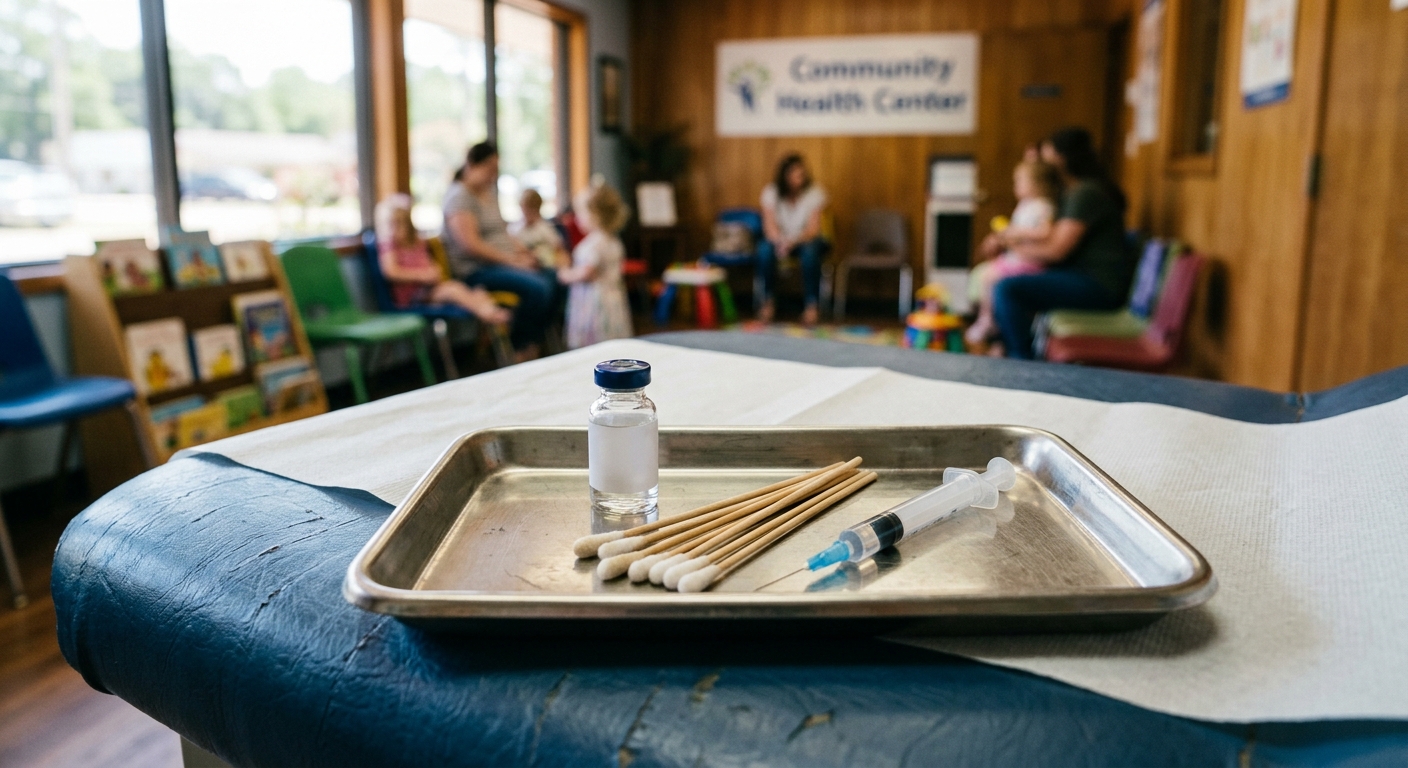
AI-generated illustration; not a photograph of the reported event.
- calendar_today July 25, 2026
Texas is confronting a pressing public health challenge as measles outbreaks continue to climb in 2026, contributing to the most significant national surge since the disease was declared eliminated in the United States more than two decades ago. Health officials report a steep rise in us measles cases, with the Centers for Disease Control and Prevention (CDC) confirming over 2,300 new cases nationally this year, the highest number seen in the past 25 years.
Historic Surge in Measles Cases
The current increase in measles cases stands out as the largest in modern records, impacting communities across the country, including Texas. Major outbreaks have also been noted in South Carolina and Virginia, with public health authorities attributing these spikes in part to declining vaccination rates among children and vulnerable populations. According to cdc measles data, the number of infections over the last 18 months surpasses the total from the previous 25 years combined.
Texas Communities Respond to the Threat
Local Texas health departments are intensifying efforts to curb the spread of measles by organizing mass measles vaccination clinics and providing targeted outreach in neighborhoods with historically low immunization rates. Collaboration with schools and community centers aims to boost awareness of measles control strategies and address vaccine hesitancy—a factor contributing to the ongoing risk in certain regions.
Challenges in Tracking Disease Outbreaks
Measles poses unique challenges for contact tracing due to its extremely contagious nature. Public health teams in Texas report that even a single undiagnosed case can quickly escalate into widespread exposure. With many communities globally connected and highly mobile, controlling measles spread requires coordinated disease outbreak response and diligent surveillance across multiple counties and local health systems.
Importance of Measles Vaccination and Community Cooperation
Health experts continue to stress that maintaining vaccination rates above 95% is essential to halt further outbreaks. According to the CDC, immunizations significantly reduce the risk of infection and community transmission. In Texas, local leaders are urging residents to consult healthcare providers to confirm their measles vaccination status, especially before participating in large events or gatherings that could facilitate further measles spread.
Public Health Measures Support Prevention
The state is also deploying public health advisories to inform families about symptoms and exposure risks. Strategies include mobile vaccination units, targeted information campaigns, and support for local clinics. Community groups are playing a key role in the effort, working in tandem with county health officials to ensure vulnerable populations are informed and protected against measles outbreaks.
Ongoing Efforts and Regional Outlook
With over 2,300 us measles cases reported so far this year, the need for sustained community vigilance remains a top priority in Texas. Medical professionals, educators, and state agencies continue to emphasize the importance of timely vaccinations, robust contact tracing, and clear communication to advance measles control statewide. As Texas addresses the current public health crisis, experts highlight that a unified approach is vital to defend against future rises in disease outbreaks and to safeguard the overall health of local communities.