
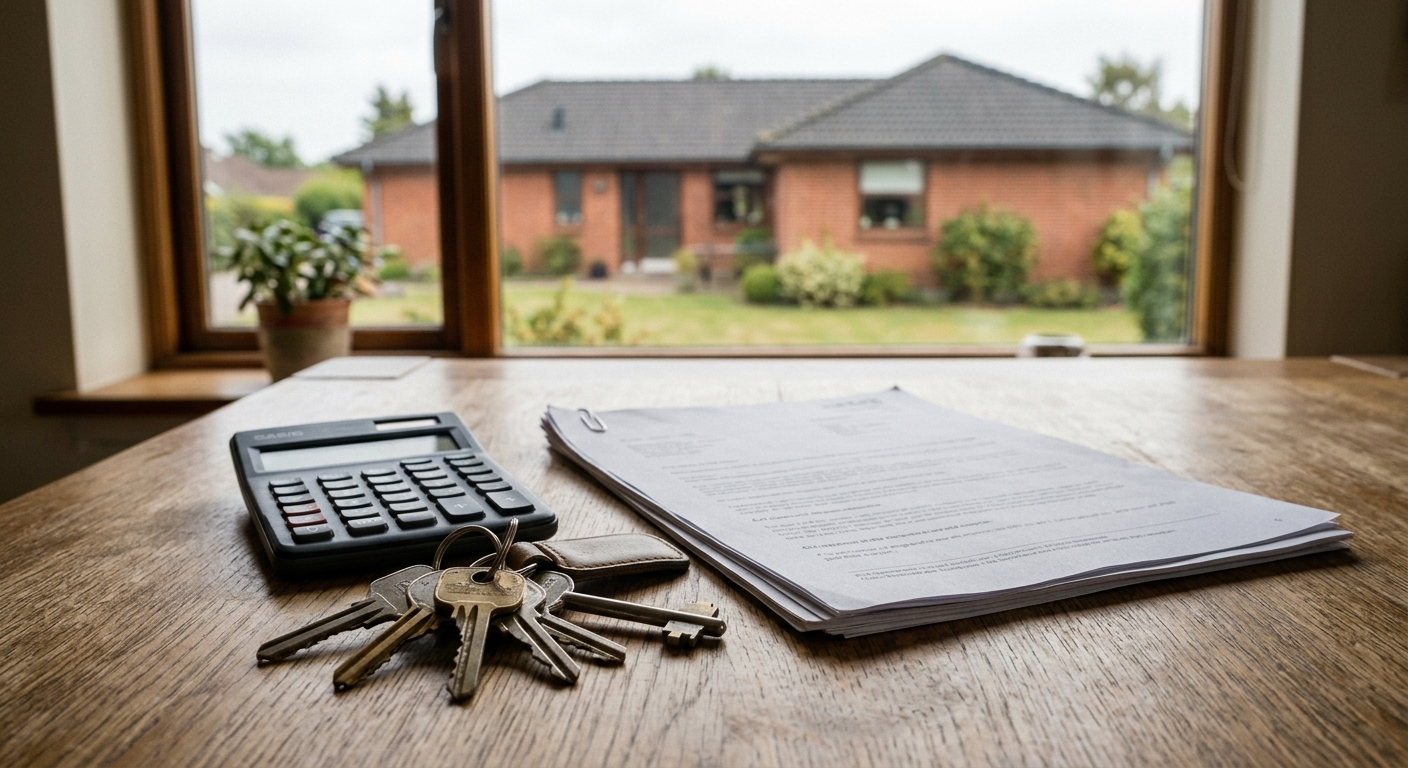
AI-generated illustration; not a photograph of the reported event.
- calendar_today October 20, 2026
Understanding the Homestead Exemption in Texas
Texas is known for having some of the highest property tax bills in the country. However, many homeowners are unaware of the substantial property tax break available through the homestead exemption. This provision can save homeowners thousands of dollars by reducing the taxable value of their primary residence.
Who Is Eligible for a Homestead Exemption?
To qualify for a homestead exemption, you must own at least a portion of your primary residence and live in that home as of January 1 of the application year. Only one property can be designated as your primary residence for exemption purposes in Texas or elsewhere. Undocumented immigrants are generally not eligible because a valid Texas driver's license is required to apply.
How Much Can You Save with the Homestead Exemption?
The main homestead exemption mandated by Texas law requires school districts to deduct $140,000 from the appraised value of a qualified homeowner's residence. For example, if your home is valued at $200,000, you would pay school property taxes on only $60,000. Homeowners who are age 65 or older, or those with qualifying disabilities, receive an additional $60,000 exemption on top of the regular $140,000 reduction from school districts.
Upon turning 65, Texas homeowners have their school tax bill frozen. Seniors may also pay their property taxes in installments and could be eligible for extra local breaks if their school district offers them. With the homestead exemption, homeowners may also receive further reductions from city or county taxes if the local taxing entities provide such benefits. The state also limits the annual taxable value increase with a 10% appraisal cap on homes with a homestead exemption.
Requirements and the Application Process
Most homeowners must provide a valid Texas driver’s license or state ID with an address matching the property. Exceptions are made for active duty military personnel and residents of assisted care facilities. In cases of inherited property, heirs who are not listed on the deed or title can obtain an exemption by submitting an affidavit and supporting documentation, such as a death certificate and a utility bill proving residency. Special documentation is required for disability exemptions or for surviving spouses of veterans.
To apply, homeowners can download the Residence Homestead Exemption Application from the Texas Comptroller's website, or visit their local appraisal district in person or online. Applications are free of charge. If approved, homeowners typically do not need to reapply unless their eligibility changes or the appraisal district requests re-verification. By state law, appraisal districts have 90 days to process exemption applications.
Important Deadlines and Retroactive Applications
Homeowners occupying their primary residence as of January 1 must apply for the exemption by April 30. If you bought your home after January 1, the application process may vary depending on whether the previous owner already had a homestead exemption. If no exemption existed, you are encouraged to apply promptly. If you miss the deadline, you can usually apply retroactively up to two years after taxes are paid, potentially qualifying for a refund. Certain exemptions, such as those for disabled veterans, may offer up to five years to apply.
Verifying Your Homestead Exemption Status
Appraisal districts do not always send formal notices of approval. To check if your exemption is active, review your property record on the appraisal district's website, contact the appraisal district directly, or look for the exemption on your notice of appraised value sent in April or your property tax bill mailed in October.
Source: mysanantonio.com.


