- calendar_today April 27, 2026
Houston, Texas — The 45th annual houston survey, conducted by the Kinder Institute for Urban Research at Rice University, has shed new light on mounting economic anxieties, deepening political division, and ongoing safety issues across the region. Nearly 9,000 residents from Harris, Fort Bend, and Montgomery counties took part in this comprehensive survey, highlighting the current mood in Texas’ largest metropolitan area.
Job Ratings Plunge as Economic Worries Mount
For many in Texas, concerns over the houston economy have intensified. The 2026 survey recorded a dramatic decline in those who rate local job opportunities as good or excellent—a drop of 29 percentage points since the previous year. Experts note this is the steepest fall since the aftermath of the 1982 oil crisis, signaling widespread unease about employment across sectors. The Kinder Institute attributes much of this downturn in job ratings to global market fluctuations and challenges unique to the Gulf Coast region. Houston residents, reflecting on these economic shifts, voiced apprehensions about both job security and cost of living.
Political Division and Discrimination Hit New Highs
Alongside economic apprehension, the survey documents a pronounced spike in political division. Feelings of political discrimination have reached their highest point in three decades, with participants from all parties citing fatigue over partisan conflict. This polarization appears especially acute during election cycles, with some residents reporting reluctance to share their views openly in workplaces or neighborhood gatherings. Despite these divides, a clear trend of growing political exhaustion spans the Texas community, according to Kinder Institute analysts.
Widespread Concerns Over Crime and Extreme Weather
Safety remains at the forefront of public consciousness in the Houston area. Over 70% of survey respondents expressed moderate to extreme crime concerns, naming it as a top issue impacting daily life. Rising reports of property crime, as well as violent incidents, have contributed to this heightened anxiety. Alongside safety, extreme weather threats—including hurricanes and flooding—remain a persistent worry, especially following several years of record-breaking storms in Texas. Residents are increasingly evaluating home insurance options and reconsidering property choices, emphasizing the profound influence of climate patterns on community stability.
Strong Support for Common-Sense Reform
Despite differences, the survey illuminated areas of common ground. One notable finding is the strong bipartisan endorsement for gun background checks on all firearm sales. Regardless of political affiliation, most survey participants backed stricter criminal background vetting as a measure to improve community safety. This unity challenges the narrative of irreconcilable division and points to shared priorities among Houston residents when it comes to protecting families and neighborhoods.
Social Connections and Community Health Take Center Stage
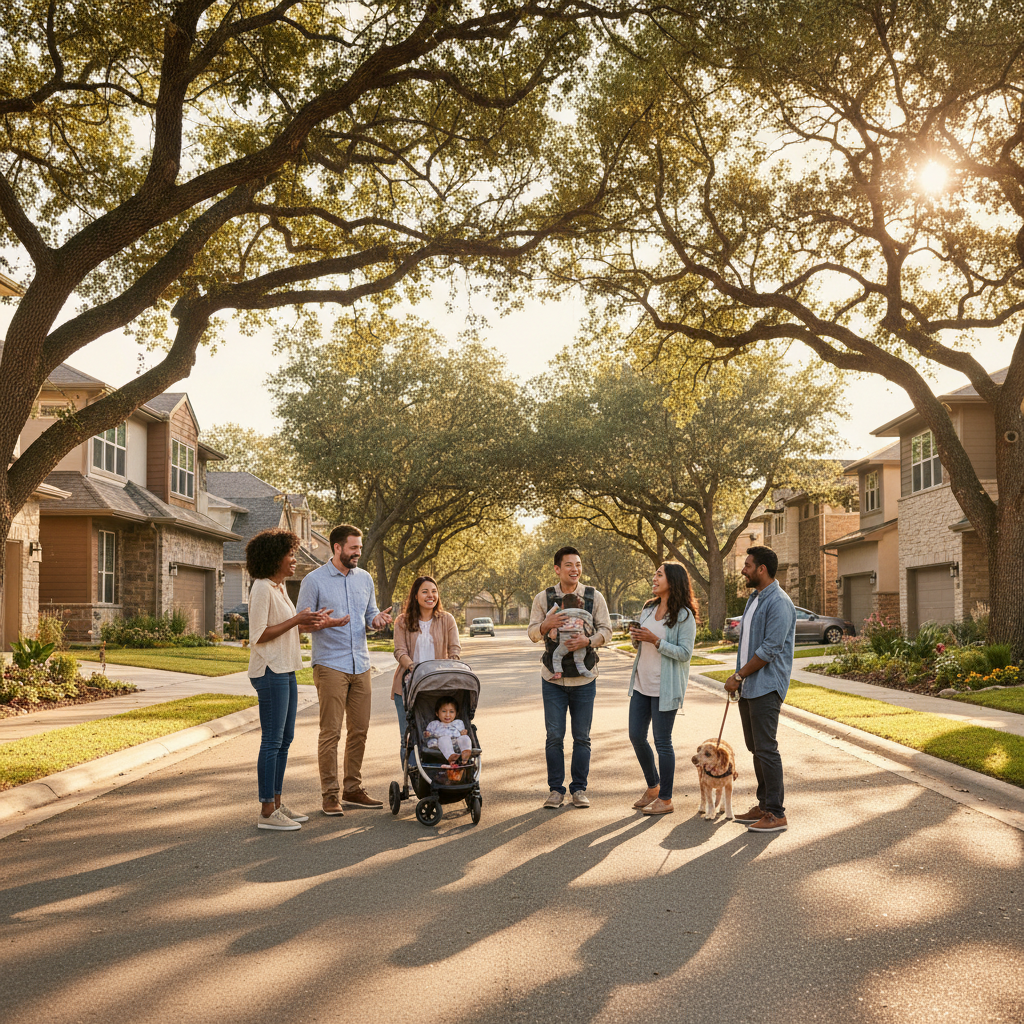
For the first time in 45 years, the study focused on social connections and their impact on community health. The results reveal that individuals with strong ties to neighbors and a sense of trust within their area enjoy better mental and physical well-being. Local organizations and policymakers in Texas are encouraged to promote programs fostering these connections, recognizing their value for resilient, thriving communities. Resources targeting neighborhood engagement and mental health services are now in sharper focus, especially as residents seek collective ways to manage stress during uncertain times.
A Glimpse Into Houston Residents’ Future Outlook
While the survey captures current uncertainties, it also highlights enduring strengths among houston residents. The capacity to find shared values in divisive times and invest in healthier, more connected neighborhoods are central to the region’s path forward. With the kinder institute continuing to monitor urban trends, local leaders hope to both address pressing concerns and build a stronger civic fabric for all Texans.