
- calendar_today August 12, 2025
Texas businesses see increased costs and changing market conditions as Trump’s trade policies redefine international trade.
Texas, which plays a key role in both local and international markets, is reeling from Donald Trump’s trade policy as consumers and businesses respond to increasing expenses, supply chain volatility, and economic uncertainty. Tariffs on crucial materials and retaliatory trade actions from foreign nations are impacting industries across the Lone Star State with changes that are determining the economic fate of the state.
From Houston’s energy economy to Dallas’s manufacturing bases and Austin’s high-tech industry, companies are struggling with new issues. With the trade landscape evolving further, the Texas economy, which has traditionally been recognized for its broad-based industrial base, is conforming to the changed economic reality.
Energy Sector Under Cost Pressure
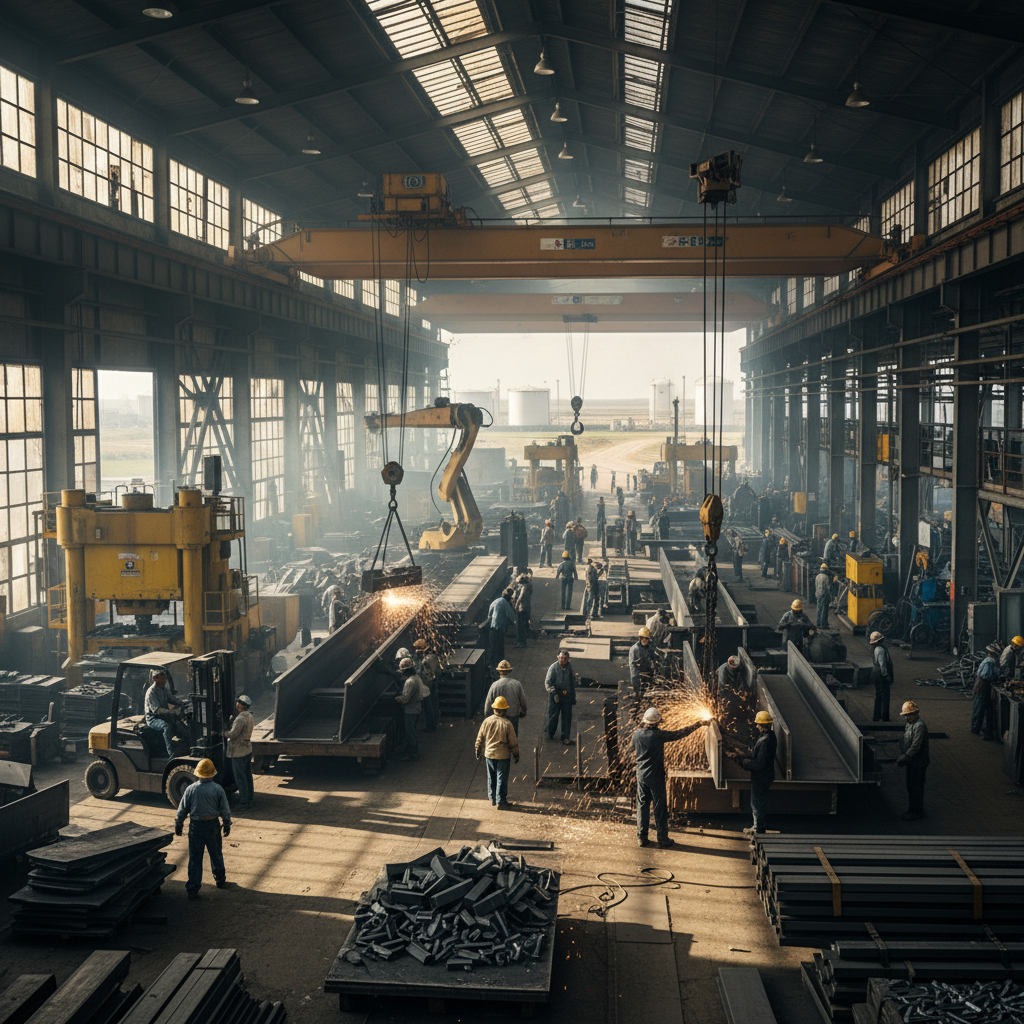
The energy sector, a bedrock of Texas’s economy, is particularly vulnerable to shifts in trade policy. Tariffs on steel and aluminum imports—vital components for oil and gas infrastructure—have resulted in increased operating expenses.
In Houston, where many of the world’s biggest oil companies are headquartered, industry leaders have been fretting about the long-term consequences of climbing material prices. Oil companies and pipeline owners are paying more for steel goods, driving up the cost of projects and maybe slowing down upcoming developments.
Whereas Trump’s protectionism is touted as favoring American manufacturers, others are concerned with how this rising cost will influence profitability and global competitiveness within the energy industry. Energy companies in Texas are keenly following developments to help sustain their world leadership.
Manufacturing and Agriculture Hard Hit
Texas’s manufacturing industry is also bracing for the impact. Firms that manufacture anything from cars to electronics are facing increasing input prices as a result of the raw materials’ import tariffs. Dallas and San Antonio, where the main manufacturing hubs are located, are also experiencing supply chain disruption as firms fail to acquire low-cost imported inputs.
At the same time, Texas farmers are among the hardest hit by retaliatory tariffs from China and other trading partners. Agriculture, a key sector in rural Texas, is seeing declining export demand.
Cotton and livestock producers, especially in West Texas, are uncertain as traditional export markets place new tariffs on American goods. This decline in global demand jeopardizes farm incomes, causing concerns of long-term economic damage in agricultural communities.
Tech Industry Navigates Uncertainty
The tech industry, especially in Austin, is also navigating the shifting trade landscape. Trump’s intellectual property and imported electronics policies have caused uncertainty for Texas tech firms that rely on international supply chains.
Local businesses are facing higher costs on imported inputs, which is more difficult to sustain against competitive pricing. Startups and veteran tech companies equally need to re-evaluate their supply chain models and cost control measures to stay strong.
Small Businesses Feel the Pinch
Small enterprises in Texas are equally being hit by rising costs and economic uncertainty. Entrepreneurs who depend on imported items—from building materials to consumer electronics—are encountering higher costs.
In Fort Worth and El Paso, entrepreneurs are concerned that ongoing tariffs will compress profit margins and stifle expansion. Some are looking for means to diversify supply chains and procure domestically, but that is more expensive and logistically difficult.
Consumer Costs on the Rise
Texas consumers are also paying the price of trade-related market changes. Imported goods such as electronics, automobiles, and household appliances are becoming more expensive. Families in Houston, Dallas, and Austin are starting to feel the sting of increased prices on daily commodities.
As consumers adapt to the rise in costs, consumers are also embracing prudent spending cultures. Economists indicate that if trade tensions continue, it may dampen consumer confidence and reduce local economic growth. Political and Economic Reactions
The political reaction in Texas to Trump’s trade policies has been divided. Some legislators and business owners back the administration’s America First agenda as saving jobs here at home. Others contend the economic costs to vital Texas industries are a price too high to pay.
State authorities are requesting policy reforms to reduce harm to local businesses. Business lobby organizations are asking the federal government to rethink tariff policies to avoid long-term damage to Texas’s varied economy.
Investors and Market Strategy Adjustments
Amid economic instability, investors in Texas are revising their market strategies. Financial experts advise investing in domestic industries less vulnerable to international trade volatility. There is also growing interest in alternative energy and technology investments as the landscape shifts.
Outlook for Texas’s Economy
Despite the current market fluctuations, Texas’s economy remains resilient. Businesses and policymakers are finding ways to adapt to the evolving trade environment. With its diverse economic base and entrepreneurial spirit, Texas is positioned to weather the challenges posed by Trump’s trade policies while exploring new opportunities.
As global trade patterns continue to shift, Texas will be at the forefront of shaping America’s economic destiny, balancing the effects of protectionism with the demands of open world markets.


