- calendar_today August 14, 2025
Texas remains one of the most dynamic real estate markets in the U.S. heading into 2025. With strong population growth, job creation, and a business-friendly environment, investors are continuing to favor the Lone Star State across multiple asset classes. While national interest rates have begun to stabilize, Texas stands out for its resilience, affordability, and ability to attract both domestic migration and corporate relocations.
So, where are investors putting their money this year? From major metros like Dallas, Houston, and Austin to growing secondary cities like San Antonio, McKinney, and Lubbock, seven real estate sectors are showing strong momentum and adaptability in today’s evolving economy.
Multifamily Housing: The Reliable Performer
Multifamily housing continues to be a core investment in Texas, particularly in cities like Austin, Dallas-Fort Worth, and San Antonio. High mortgage rates and surging home prices have kept many Texans in the rental market, especially younger professionals and transplants.
Class B and C apartments in suburban areas and secondary metros are seeing low vacancy rates—often under 5%—according to CBRE’s 2025 Texas market outlook. Build-to-rent communities and garden-style complexes remain attractive, especially in fast-growing areas like Round Rock, Frisco, and New Braunfels. Rent growth has normalized around 3–4%, providing steady income with manageable operating costs.
Industrial Properties: Still a Growth Engine
Texas is at the epicenter of industrial expansion in the U.S., with its central location and expansive highway network powering national and international logistics. Industrial assets in Houston, DFW, and the I-35 corridor between Austin and San Antonio are in high demand, particularly for e-commerce, manufacturing, and distribution operations.
JLL’s Q2 2025 report cites vacancy rates below 4% in Texas’s major industrial markets, with rental rates climbing by 6–8%. Cold storage, fulfillment centers, and light manufacturing sites are attracting REITs and private investors alike. With Texas also playing a major role in energy and clean-tech infrastructure, industrial properties continue to outperform.
Single-Family Rentals in Suburban Markets
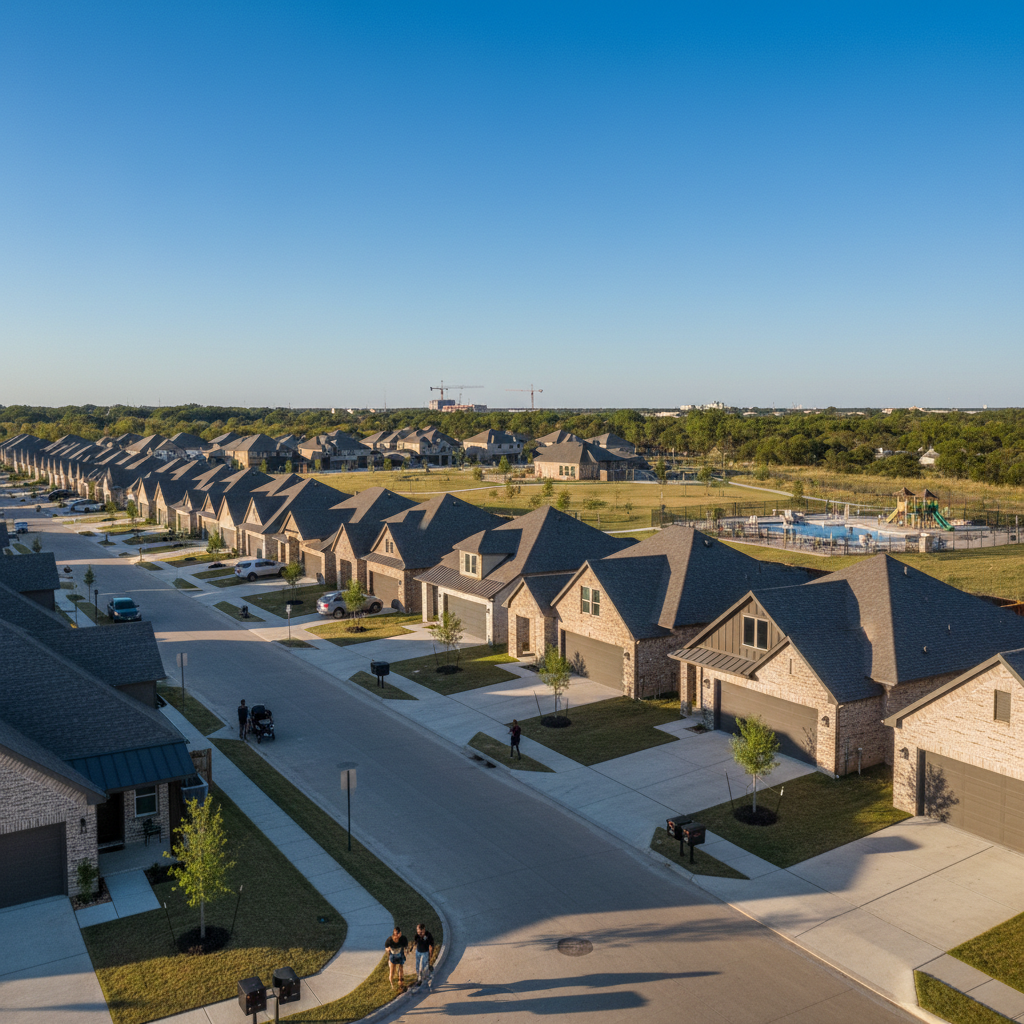
SFRs are one of Texas’s hottest housing trends in 2025. With rapid suburbanization and an influx of working families from California, the Midwest, and the Northeast, the demand for flexible, family-sized rentals has skyrocketed. Areas around Houston, Austin, and Dallas—such as Katy, Pflugerville, and Allen—are experiencing particularly strong rental growth.
Roofstock’s 2025 Investor Sentiment Index shows Texas leading the nation in SFR investor activity. These homes offer low turnover, consistent tenants, and better maintenance economics compared to large apartment complexes. With strong school districts and proximity to new tech campuses, suburban Texas SFRs are proving to be stable, high-yield investments.
Migration and Metro Momentum
Texas continues to lead the country in population growth, attracting businesses and residents with its low taxes, job market, and quality of life. Austin, Houston, and Dallas-Fort Worth are among the top U.S. metros for inbound migration, and this influx is driving demand for housing, retail, and infrastructure.
Meanwhile, more investors are exploring smaller markets like Waco, Midland, and Tyler, where property costs are lower but economic activity is on the rise. The spread of remote work and ongoing development of Texas’s highway and broadband infrastructure make these regions increasingly viable for long-term investment.
Mixed-Use Developments & Urban Revitalization
Mixed-use development is making a big comeback in Texas’s urban and suburban cores. In areas like The Domain in Austin, Uptown Dallas, and Midtown Houston, walkable neighborhoods that combine housing, retail, and coworking are commanding premium rents.
Smaller cities like Denton and San Marcos are also seeing investments in lifestyle-oriented mixed-use projects. Despite some zoning challenges and higher construction costs, developers are targeting Gen Z and millennial tenants who prioritize convenience and live-work-play environments. The long-term upside for these assets remains strong.
Niche Assets on the Rise: Senior & Student Housing
Senior housing is seeing steady growth across Texas, particularly in areas like The Woodlands, San Antonio, and Corpus Christi. The state’s retiree population is increasing, and demand for independent living, assisted care, and memory care is rising in tandem. Occupancy rates are trending toward 86% and climbing.
Student housing is another reliable performer, especially near universities like UT Austin, Texas A&M, and Texas Tech. These markets are seeing pre-leasing rates above 90%, with tenants expecting modern amenities like high-speed internet, community lounges, and furnished units. Purpose-built student housing remains a strong play for developers who understand campus culture and location dynamics.
Risk Factors and Investment Cautions
While Texas is generally considered landlord-friendly, real estate investors should still account for regional risks. Coastal areas, especially around Houston and the Gulf, face rising insurance premiums due to hurricane risk and flood exposure. In the Panhandle and Central Texas, drought and water access are emerging concerns for certain developments.
Construction costs remain elevated, and labor shortages in fast-growing metros can slow project timelines. While interest rates have steadied, financing for ground-up development still requires conservative underwriting. Investors should also track local zoning updates, particularly in cities considering short-term rental restrictions or affordability mandates.
Expert Insight: What the Analysts Say
“Texas remains a magnet for capital, but knowing your submarket is critical,” says Lauren Bellingham, senior economist at CBRE. “Frisco isn’t Houston, and Round Rock isn’t Austin—you have to tailor your strategy to the growth patterns, tenant demand, and zoning realities in each area.”
Redfin’s 2025 Housing Trends report highlights Texas’s sustained job creation, demographic shifts, and high rental demand as key drivers. Analysts emphasize that the state’s sheer size requires localized expertise to maximize returns.
Strategic Diversification is Key in 2025
In 2025, winning real estate strategies in Texas are built on diversification and adaptability. Multifamily properties continue to anchor portfolios in fast-growing metros. Industrial assets are thriving across logistics corridors. SFRs offer stability in high-growth suburbs. Mixed-use developments and niche assets like senior and student housing are adding depth and resilience.
Texas’s regional differences—between urban centers, oil towns, university cities, and coastal zones—require careful attention. Investors who align their strategies with long-term demographic and infrastructure trends are best positioned to outperform in a competitive, opportunity-rich state.
In short: Texas real estate in 2025 rewards those who combine local knowledge with long-view strategy.