- calendar_today August 21, 2025
How Wolfspeed’s Stock Decline Affects Texas’ Semiconductor and Tech Sectors
Texas’ semiconductor industry is concerned about Wolfspeed’s stock failure. Discover how this market trend would impact local manufacturing, supply chains, and innovation.
Introduction
Wolfspeed, the top semiconductor firm, has watched its stock plummet to a 27-year low. The stock slide is gaining traction in Texas, where there is a robust semiconductor market and leading hubs of tech production in the state. While Wolfspeed is fighting fiscal woes, supply chain losses, and changing market demands, Texas companies and investors are evaluating how these challenges can affect the state’s semiconductor and tech markets.
Why Wolfspeed’s Decline Matters to Texas
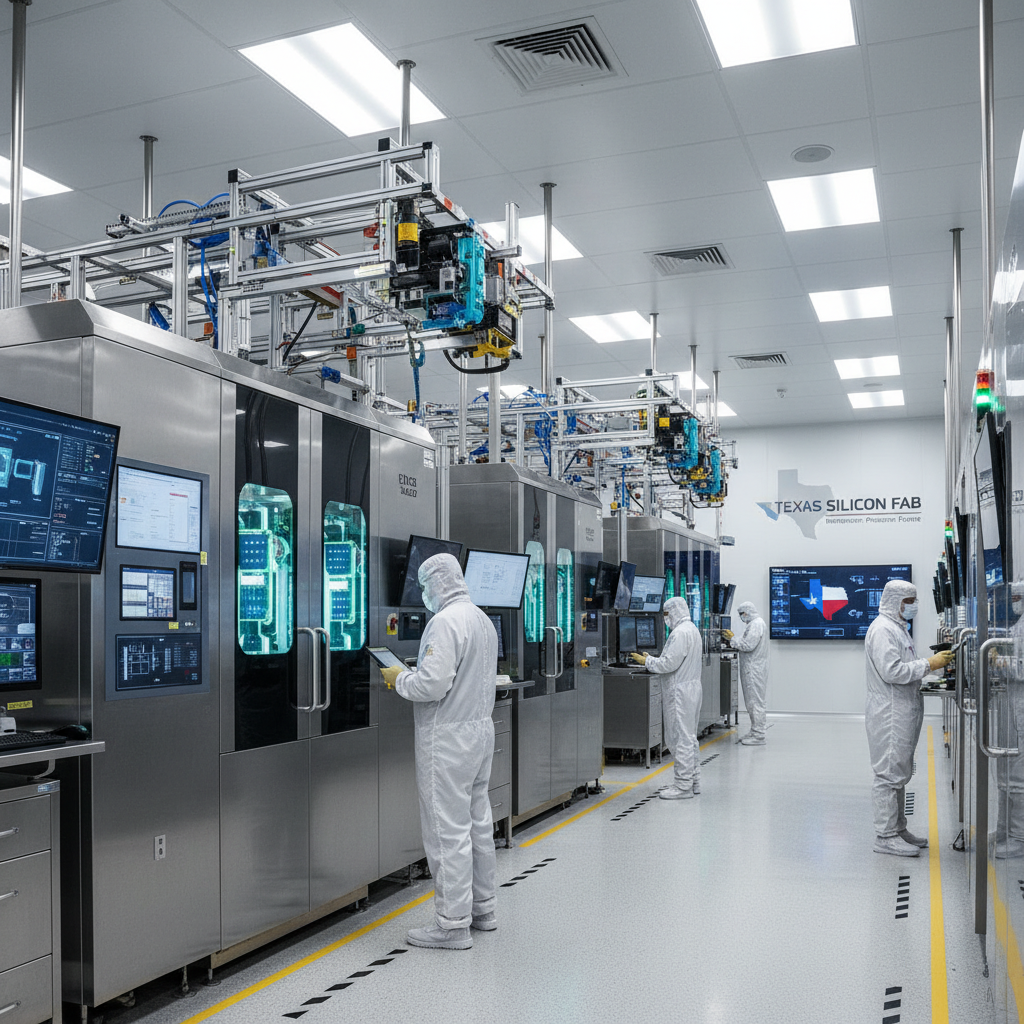
Texas is a leading state for the semiconductor business, home to large chip manufacturers and R&D centers. One of the big suppliers’ failures would reveal a number of weaknesses:
1. Semiconductor Supply Chain Disruption
Technology businesses in Texas that depend on Wolfspeed’s silicon carbide chips can suffer from supply shortages, causing delays and higher production costs.
2. Texas Auto and Technology Manufacturing Affected
As Texas becomes a center for electric vehicle (EV) and next-generation technology manufacturing, a semiconductor shortage has the potential to impact innovation and product rollout.
3. Investor Caution with Semiconductor Expansion
Wolfspeed’s demise can lead to caution by investors willing to finance semiconductor production initiatives in Texas, thus hindering the growth of the industry.
Drivers of Wolfspeed’s Stock Downfall
A number of primary drivers have contributed to Wolfspeed’s stock downturn:
- Global Supply Chain Disruptions – Continuing raw material shortages and logistics disruptions have impacted semiconductor manufacturing.
- Increased Market Competition – New players in the semiconductor industry are adding competition, and pressure is being put on Wolfspeed’s market share.
- Macroeconomic Headwinds – Rising interest rates and inflation fears have created uncertainty in the technology space, impacting stock performance.
- Changing Industry Demand – Because of advancements in technology, Wolfspeed has not kept pace with changing market demands for its goods.
Texas’ Reaction to Wolfspeed’s Market Disasters
Although Wolfspeed is suffering, Texas’ semiconductor industry is attempting to stay level:
- Diversifying Semiconductor Supply Chains – Texas producers look for alternative suppliers to avoid production delays.
- Increasing Domestic Semiconductor Production – State efforts to increase in-state chip production are picking up momentum.
- Strengthening Workforce Development – Texas trade schools and colleges are expanding semiconductor-related training to build a highly skilled workforce.
- Strengthening Industry Collaboration – Research institution-technology firm collaborations are on the rise to build semiconductor innovation.
The Future of Texas’ Semiconductor Industry
Though Wolfspeed’s meltdown presents dire problems at hand, Texas is still a semiconductor manufacturing and research frontrunner. Businesses and lawmakers are looking to long-term solutions to reduce the risks, promoting long-term growth in the industry.
Conclusion
The Wolfspeed stock decline rattled the semiconductor sector, and the technology and manufacturing industries of Texas are monitoring closely its repercussions. While supply chain realignment and investment uncertainty arise, Texas business and institutions are proactively making moves to assist the state’s semiconductor industry and stay competitive.