- calendar_today August 8, 2025
Rising Tariffs on Imported Auto Parts Are Straining Texas’ Luxury Car Market
Texas’ luxury auto industry is under increasing financial strain as former President Donald Trump’s trade policies continue to have ripple effects across the sector. In 2025, tariffs on imported auto parts and raw materials are pushing up production costs, cutting into profits, and reshaping the state’s luxury vehicle market. With Texas being a major hub for automotive distribution and sales, the impact is being felt by manufacturers, dealerships, and consumers alike.
Rising Costs for Luxury Automakers in Texas
Texas has long been a crucial player in the U.S. automotive industry, with its central location making it an essential hub for vehicle distribution. However, the renewed focus on protectionist trade policies, including steep tariffs on imported steel, aluminum, and auto components, has caused significant economic disruptions.
Luxury automakers like Mercedes-Benz, BMW, and Audi, which rely heavily on imported parts, have been particularly hard-hit. Industry reports indicate that these brands are paying 20% more in material costs compared to pre-tariff levels. The result is increased prices for consumers and reduced profit margins for manufacturers and dealerships.
According to the Texas Automobile Dealers Association, luxury auto prices in the state have surged by an average of $6,000 per vehicle since 2023. This price increase reflects the additional costs automakers face when importing specialized parts from Europe and Asia—two regions heavily affected by the trade tariffs.
The Impact on Local Dealerships
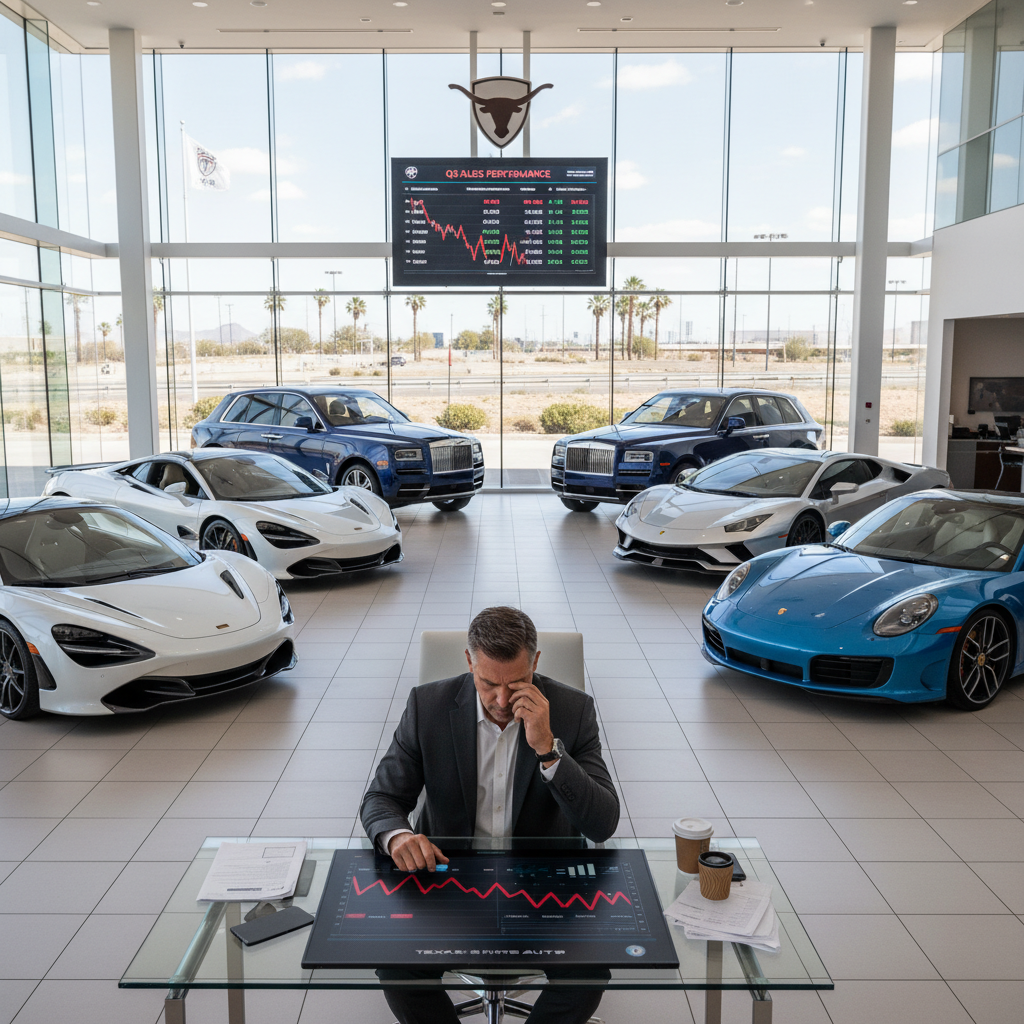
Luxury car dealerships across Texas are reporting slower sales and shrinking inventories due to these rising costs. In cities like Dallas, Houston, and Austin, dealers are struggling to maintain competitive pricing while managing higher operating expenses.
John Martinez, a luxury auto dealer in Houston, described the situation as “unsustainable.” “We’ve seen a significant drop in high-end vehicle sales, especially in models that rely on European imports,” he said. “If tariffs continue at this rate, we may be forced to cut staff and reduce inventory further.”
Dealerships in rural areas are experiencing even sharper declines, as luxury cars become unaffordable for a significant portion of their customer base. Some dealers have reported up to a 25% drop in sales since the increased tariffs took effect.
Employment and Economic Fallout
The pressure from trade policies extends beyond dealerships to the broader Texas economy. Auto manufacturing and logistics are major employers in the state, and rising production costs threaten thousands of jobs.
A 2025 report from the Texas Economic Policy Institute estimates that the automotive sector has lost over 3,000 jobs in the past year due to tariffs. Many of these losses stem from luxury car distribution centers and parts suppliers who are facing increased financial strain.
Manufacturers that previously considered Texas a prime location for investment are now pausing or scaling back their plans. In January 2025, a major European luxury auto brand postponed a proposed $500 million expansion project in the Dallas-Fort Worth area, citing the uncertainty surrounding U.S. trade policy.
Consumer Impact and Changing Market Dynamics
Texas consumers are also feeling the effects of these trade policies. The added costs associated with tariffs are being passed on to buyers, making luxury cars less accessible. With higher prices on new models, many consumers are turning to the used luxury market or delaying major purchases altogether.
Auto analysts suggest that if tariffs remain in place, the luxury car market in Texas could shrink by as much as 15% over the next two years. This reduction would have long-term effects on the state’s economic growth, tax revenue, and employment in the automotive sector.
Political and Industry Responses
Texas business leaders and policymakers are pushing for relief. The Texas Chamber of Commerce has joined forces with national automotive trade organizations to lobby for a reduction in tariffs and the creation of a more stable trade environment.
Texas Governor Greg Abbott has publicly criticized the impact of Trump’s trade policies on the state’s economy. In a recent statement, Abbott called for a “balanced approach to trade” that protects domestic jobs while allowing businesses to compete globally.
Automakers themselves are also fighting back. Companies like BMW and Mercedes-Benz are increasing their investments in domestic manufacturing to avoid future tariff-related costs, but these efforts take time and require substantial resources.
Future Outlook for Texas’ Luxury Auto Industry
The future of Texas’ luxury auto market remains uncertain as long as trade tensions persist. Industry experts warn that without a policy shift, further price increases, job losses, and reduced consumer choice are inevitable.
However, there is cautious optimism that ongoing negotiations in Washington could lead to more favorable trade terms. If tariffs are eased or lifted, it could provide much-needed relief for Texas’ luxury auto industry and restore confidence among manufacturers and consumers.
Until then, the state’s automotive sector must navigate a challenging environment where rising costs and economic pressures continue to reshape the market.
Related Articles: