- calendar_today August 9, 2025
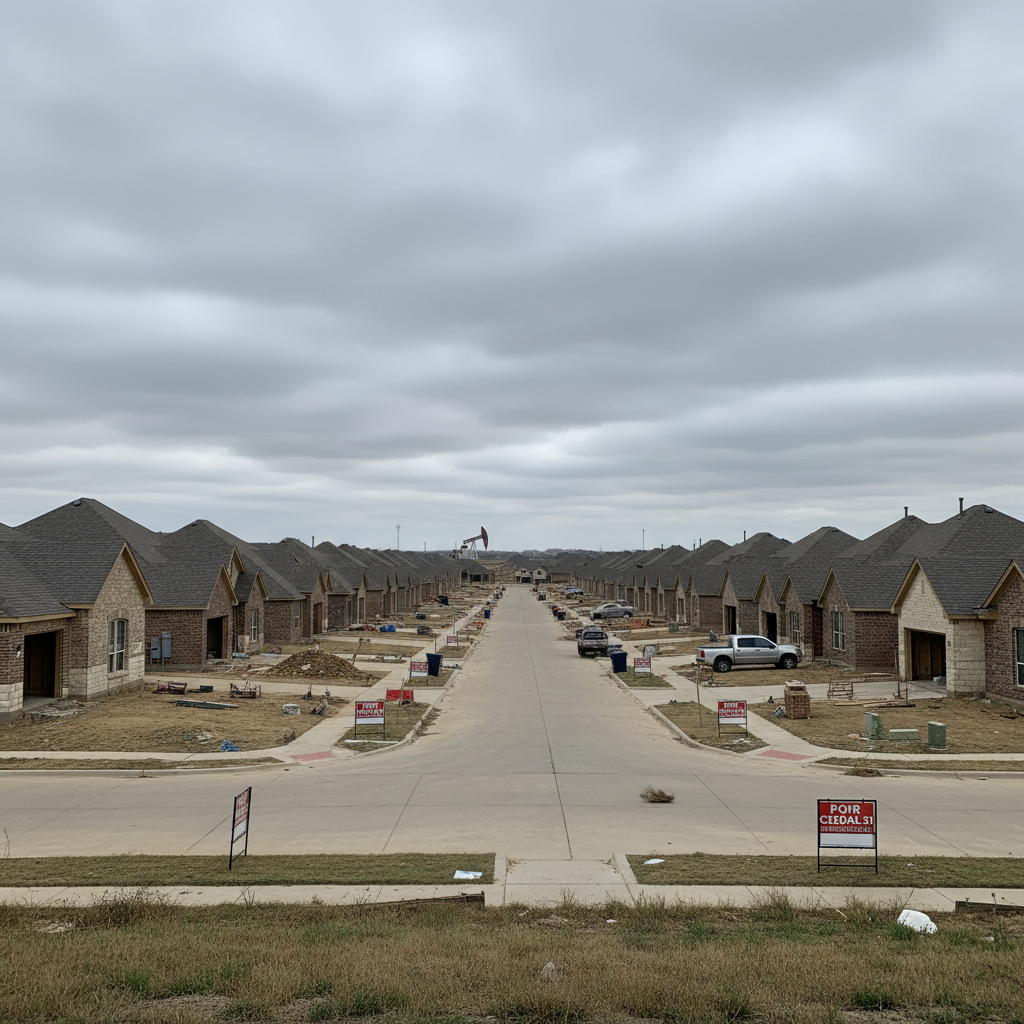
In 2025, the once-booming Texas housing market is facing an unexpected slowdown. Once considered a haven for affordable real estate and job-driven migration, cities like Dallas, Austin, Houston, and San Antonio are witnessing a sharp drop in buyer interest and home sales. Experts are calling it a “housing market freeze”—a term that captures the stillness resulting from unaffordable prices, high interest rates, and new hurdles like skyrocketing home insurance premiums.
“It’s no longer just about interest rates,” said Mark Trevino, a real estate broker based in Austin. “People are being priced out by property taxes, insurance premiums, and a general fear that buying now means losing value tomorrow.”
The Insurance Cost Crisis
Texas is experiencing one of the worst home insurance crises in the country. With more frequent extreme weather events—ranging from hailstorms in North Texas to hurricanes in the Gulf—insurers are either pulling out or raising premiums by double digits.
According to a 2025 report by the Texas Department of Insurance, average homeowners insurance premiums rose 23% year-over-year, with coastal counties like Galveston and Harris seeing spikes as high as 35%. As a result, lenders are more hesitant, and homebuyers must budget far more than before for annual coverage.
This insurance burden is disproportionately affecting first-time buyers. A young couple in San Antonio recently backed out of a $375,000 deal when they discovered that their annual insurance would exceed $4,800—more than double what they had budgeted.
Mortgage Rates Compound the Freeze
The Federal Reserve’s efforts to combat inflation have left interest rates stubbornly high in 2025, with 30-year fixed mortgage rates hovering between 6.8% and 7.2%. For a state that has seen dramatic home price growth since 2020, these rates are enough to paralyze potential buyers.
In Austin, where the median home price now sits just under $460,000, monthly mortgage payments have surged past $3,500 for average listings. That’s a tall order in a city where wage growth has stalled due to tech layoffs and inflationary pressures.
“As rates climbed, we started seeing fewer pre-approvals,” said DFW-based mortgage advisor Stephanie Lopez. “Even qualified buyers are hesitating, waiting for rates—or prices—to fall.”
Inventory is High, but Buyers Are Scarce
Unlike markets constrained by low supply, Texas is seeing an unusual trend: more homes sitting on the market. According to Zillow, listings across major metros rose 18% year-over-year, yet pending sales are down 12%.
Developers who rushed to meet pandemic-era demand in cities like Frisco, Leander, and Katy are now left holding unsold inventory. Builders have begun offering incentives—like free upgrades, closing cost assistance, and even mortgage rate buy-downs—but even these perks are failing to reignite demand.
Outmigration and Changing Demographics
One of the more surprising shifts in 2025 is a slight outmigration from high-growth Texas metros. Cities like Austin and Dallas, which were once magnets for remote workers and tech transplants, are seeing an uptick in residents leaving for cheaper states like Tennessee, Alabama, or even Mexico.
The reasons are multifaceted: the cost of living has soared, crime rates in urban areas have become a concern, and hybrid work has made the “Texas advantage” less compelling.
At the same time, the oil and gas sector in Houston is not hiring at the pace seen in previous cycles, while the tech correction has taken a toll on job creation in Austin and Plano.
Rural and Suburban Markets Offer No Refuge
Some Texans hoped that moving to rural or exurban areas might sidestep the freeze, but even smaller markets like Waco, Tyler, and College Station are feeling the pressure. Prices remain high relative to local incomes, and those markets are often more vulnerable to extreme weather, making insurance even more expensive.
The typical homebuyer in these regions is now competing with cash investors or institutional buyers, many of whom are also pulling back. Rental prices have also stagnated, reducing investor interest.
Property Taxes Keep Climbing
Texas doesn’t have a state income tax, but property taxes are among the highest in the nation. And in 2025, they’ve climbed yet again. As local governments reevaluate assessments to fund growing public services and infrastructure, homeowners are feeling the pinch.
In Travis County, for example, the average property tax bill rose by over 11%, according to county records. These increases are forcing some homeowners—especially retirees on fixed incomes—to consider selling. Unfortunately, selling in a frozen market brings new challenges.
Builders Hit the Brakes
Texas homebuilders are pulling back in real time. According to the Texas Association of Builders, housing starts dropped 14% statewide in Q2 2025 compared to the same period last year. Permitting activity has also slowed, especially in outlying suburbs.
“There’s too much uncertainty,” said developer David Kingsley, who recently paused two large-scale developments outside Houston. “We don’t know where prices are headed, and building into a market with no buyers is a financial risk.”
What Could Thaw the Market?
Several changes would be required to thaw the frozen Texas housing market:
- Lower Interest Rates: Even a 1% drop in mortgage rates could boost affordability and buyer confidence.
- Insurance Reform: State intervention or subsidies may be needed to stabilize the insurance market, especially in coastal and tornado-prone areas.
- Tax Relief: Capping property tax increases or offering exemptions could help retain and attract homeowners.
- Wage Growth: Without meaningful income growth, affordability will remain out of reach for many Texans.
Final Takeaway
Texas may still boast wide-open spaces and a pro-business reputation, but its real estate market is at a crossroads in 2025. The state that once led the nation in housing growth is now seeing that momentum stall due to compounding affordability issues.
Until there’s structural change—whether through federal policy shifts, state-level tax reforms, or a national economic soft landing—Texans may continue to watch from the sidelines. For now, the freeze continues.