- calendar_today August 7, 2025
Texas Homeowners Navigate Shifting Insurance Terrain
The landscape of home insurance in Texas is undergoing a dramatic transformation. A growing number of homeowners are facing increased out-of-pocket expenses when filing claims, driven by insurers raising deductibles in response to persistent financial pressures. This evolving trend is reshaping how residents prepare for property damage and unexpected repairs, with ripple effects touching nearly every corner of the state.
A State Prone to Disasters Faces Steeper Costs
Texas is no stranger to extreme weather. From hurricanes along the Gulf Coast to severe hailstorms in the north, the state’s climate frequently challenges both homeowners and insurance providers. As claims have climbed in both volume and severity, many insurers have responded by raising deductibles—essentially the portion of a claim a policyholder must cover before insurance kicks in.
Historically, deductibles were often flat dollar amounts, such as $500 or $1,000. Now, many Texas policies are shifting toward percentage-based deductibles, commonly ranging from 1% to 5% of a home’s insured value. For a home insured for $350,000, a 2% deductible means the homeowner must pay $7,000 before insurance coverage begins.
Premiums Rise, Coverage Shrinks
In addition to elevated deductibles, policyholders are also grappling with rising premiums. According to data from the Texas Department of Insurance, average home insurance premiums in the state have increased by over 20% since 2022. And that doesn’t always come with more robust coverage—many homeowners find that their policies include new exclusions or tighter limits on what’s reimbursable.
These changes are not limited to a single insurer. Across the industry, companies are attempting to remain financially solvent amid mounting losses from natural disasters and inflation-driven repair costs. As insurers calculate new risk models, homeowners in both urban and rural Texas are feeling the impact.
The Cost of Common Claims Soars
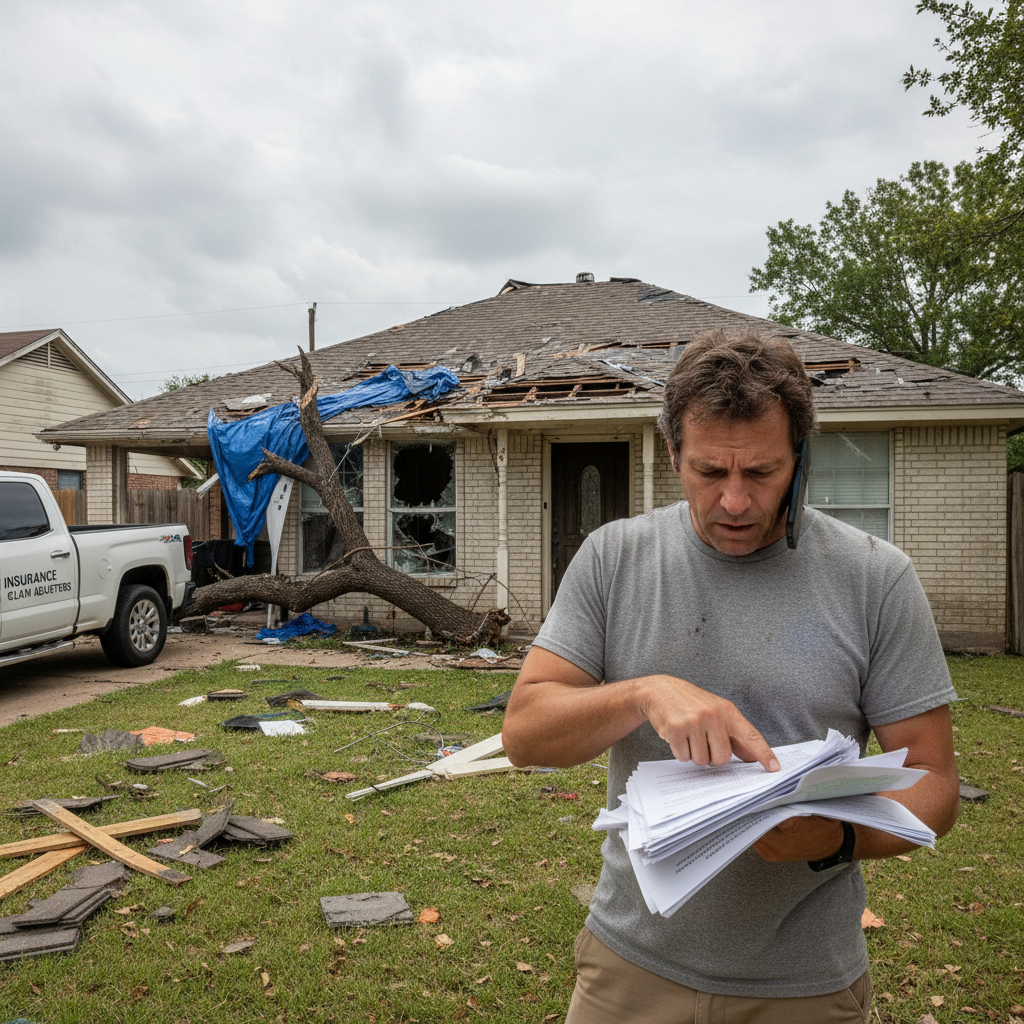
For Texas homeowners, even routine claims have become financially burdensome. Water damage from plumbing leaks, roof repairs after hail, and wind-related siding or window issues are all common occurrences in many parts of the state. With higher deductibles, however, filing a claim for a $6,000 roof repair may no longer make financial sense for a homeowner with a $5,000 deductible.
The result: more residents are opting to pay for repairs out of pocket, effectively using their insurance policies only in catastrophic situations. This shift undermines the traditional purpose of insurance—to provide support in times of need—and places greater pressure on household emergency funds.
Rural and Low-Income Texans Hit Hardest
While all homeowners are experiencing the effects of increased deductibles, rural and lower-income communities may face the steepest challenges. In many small towns and agricultural regions, incomes remain below the state average, and access to competitive insurance options is limited. When deductibles rise into the thousands of dollars, these residents may delay essential repairs or forgo coverage altogether.
Some local governments and non-profits have expressed concern that this trend could worsen the state’s housing inequality. Older homes in disrepair are more vulnerable to future weather events, further raising the risk for both homeowners and insurers—a cycle that’s difficult to break.
Insurers Defend the Strategy
Insurers operating in Texas argue that higher deductibles are a necessary measure to keep the market viable. With the cost of claims rising faster than premiums, companies say they must share more risk with policyholders to avoid leaving the state altogether, as some providers have already done in other regions like California and Florida.
By increasing deductibles, insurers aim to deter small claims, reduce administrative costs, and allocate resources to severe losses. However, critics point out that this approach effectively shifts more financial burden onto families, particularly those already under economic strain.
What Homeowners Can Do
Experts advise homeowners in Texas to regularly review their policies and understand how much they would owe in the event of a claim. This includes checking not just the dollar amount of their deductible, but whether it’s a flat rate or a percentage of the home’s value.
Homeowners should also explore bundling insurance policies to receive discounts, invest in home improvements that may qualify them for lower rates, and consider creating an emergency savings fund specifically for deductible expenses. Additionally, working with an independent insurance agent can help residents compare options across multiple carriers.
A Long-Term Industry Shift?
While the spike in deductibles is partly a response to recent challenges, many experts believe it reflects a more permanent evolution in the insurance industry. With climate risks intensifying and repair costs unlikely to fall, the balance of responsibility between insurers and policyholders may continue to shift in the years ahead.
For Texas homeowners, the message is clear: higher deductibles are likely here to stay, and preparing for that reality is now a critical part of property ownership in the Lone Star State.