- calendar_today August 9, 2026
Texas health authorities are urging residents and visitors to remain vigilant following a rise in vibrio vulnificus infections linked to the region’s coastal waters. The surge in cases, which mirrors trends in neighboring Gulf Coast states, highlights the growing health risks posed by waterborne bacteria during summer months in Texas.
Increase in Flesh-Eating Bacteria Cases
This year, Texas joins other Gulf Coast states, such as Louisiana and Florida, in confronting an uptick in illnesses caused by flesh eating bacteria. Louisiana has reported nine confirmed cases of vibrio vulnificus with five fatalities—well above the previous decade’s annual average. Florida is also experiencing higher-than-normal numbers, with 14 cases and two deaths so far in 2023. The threat extends across the Gulf Coast, an area recognized for its brackish, warm coastal waters where vibrio infections are most likely to occur from May through October.
Understanding Waterborne Bacteria in Coastal Waters
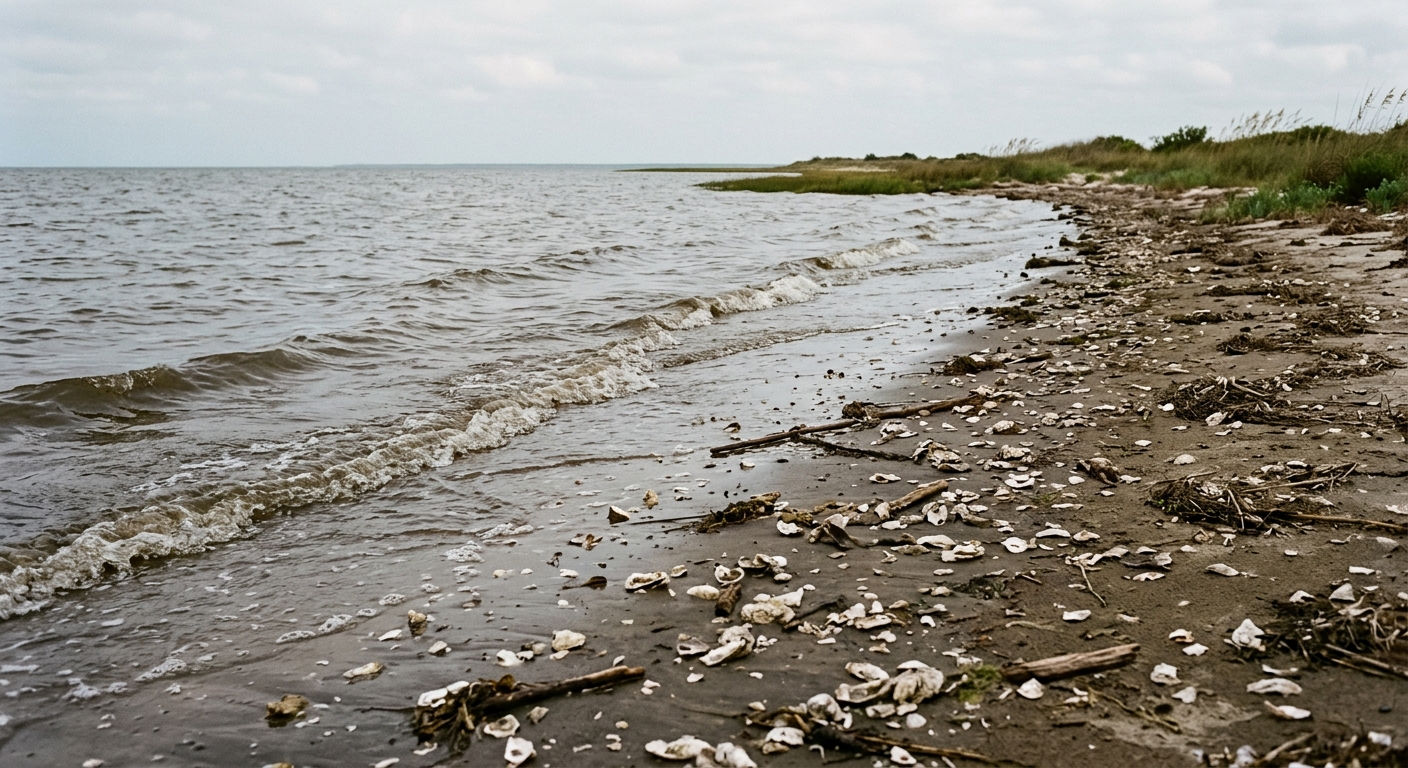
Vibrio vulnificus is a particularly virulent waterborne bacterium that thrives in the warm, saline and brackish environments commonly found off the Texas coast. Local scientists and health officials note that exposure usually occurs when individuals with skin wounds or cuts come into contact with contaminated seawater, allowing bacteria to enter the body. Although such infections remain relatively rare, their severity makes vigilance essential for coastal communities and tourists.
Risks Associated with Raw Oysters and Shellfish Safety
In addition to direct water contact, vibrio vulnificus infection can result from consuming raw oysters or other undercooked shellfish. The Texas Department of State Health Services continues to stress the importance of shellfish safety, especially since oysters filter large volumes of water and can accumulate high concentrations of dangerous bacteria. Individuals with compromised immune systems, chronic conditions, or advanced age are especially susceptible to severe outcomes.
Climate Change Impact on Infection Patterns
Experts in climate change impact research have connected the spread and seasonality of vibrio infections to rising coastal water temperatures. As global warming accelerates, these bacteria are flourishing in waters further north and for longer durations. The increasing persistence of warm weather not only escalates the risk for Texas, but also signals a broader shift in public health challenges faced by the Gulf Coast region and beyond.
Best Practices for Infection Prevention
The Centers for Disease Control and Prevention (CDC) and Texas health officials are advocating for enhanced infection prevention strategies. Swimmers and beachgoers are advised to avoid entering coastal waters with open sores or recent cuts. Immediate, thorough washing of any skin wounds exposed to saltwater is recommended. The use of gloves or barriers while handling raw oysters and other shellfish can reduce the likelihood of infection, especially for those in at-risk groups.
Responding to Symptoms and Protecting Public Health
The early symptoms of vibrio vulnificus infection include fever, redness or swelling near wounds, and the rapid development of skin lesions. Medical professionals stress that seeking timely treatment is essential; advanced cases can progress quickly and may require intensive care or limb amputation. Proper cooking of shellfish, especially oysters harvested from local waters, remains a crucial element in foodborne infection prevention for Texas residents and visitors alike.
Implications for Texas Communities
Local health departments and community organizations across Texas are ramping up outreach and education efforts on the dangers of vibrio vulnificus and other waterborne bacteria. The collaborative response involves public advisories, distribution of safety materials at parks and beaches, and continued monitoring of environmental changes affecting the coast. As awareness grows, Texas remains committed to safeguarding both its residents and visiting tourists amid evolving coastal health risks.