- calendar_today June 17, 2026
TEXAS — As Texas rolls out a $1 billion expansion of private school scholarships, questions are emerging about which students stand to gain the most from these taxpayer-funded initiatives. The state joins a growing list of regions nationwide transforming the landscape of educational opportunity by increasing access to private and home schooling through publicly funded programs.
Growth of School Choice and Voucher Programs in Texas
The movement to provide families with more school choice has accelerated in Texas and across the country. Education vouchers and education savings accounts are central tools of this approach, offering families public funds they can apply toward private or home education. Policymakers in Texas are touting these programs as a means to empower lower-income families and those with children who have learning disabilities or need special education support.
Prioritizing Students with Disabilities
Texas’ new initiative specifically designates priority for students with documented disabilities and from lower-income families. Yet, the path to qualifying for priority access is not always straightforward. Many families of public school students encounter delays obtaining disability evaluations, which are required to establish eligibility. Without these essential evaluations in place, families can face barriers that exclude them from high-priority scholarship slots in the state’s program—undermining the intention of expanding texas education freedom.
Who Benefits Most From Scholarship Expansion?
While policymakers have focused on increasing opportunity for those in need, recent analysis shows that students already enrolled in private or home schools tend to benefit disproportionately from new funds. These families often possess greater familiarity with application processes and more resources to maneuver through the requirements for scholarship eligibility. As a result, the original goal—to open doors for students who could not previously consider a private education—can be difficult to achieve in practice.
Public School Families Face Obstacles
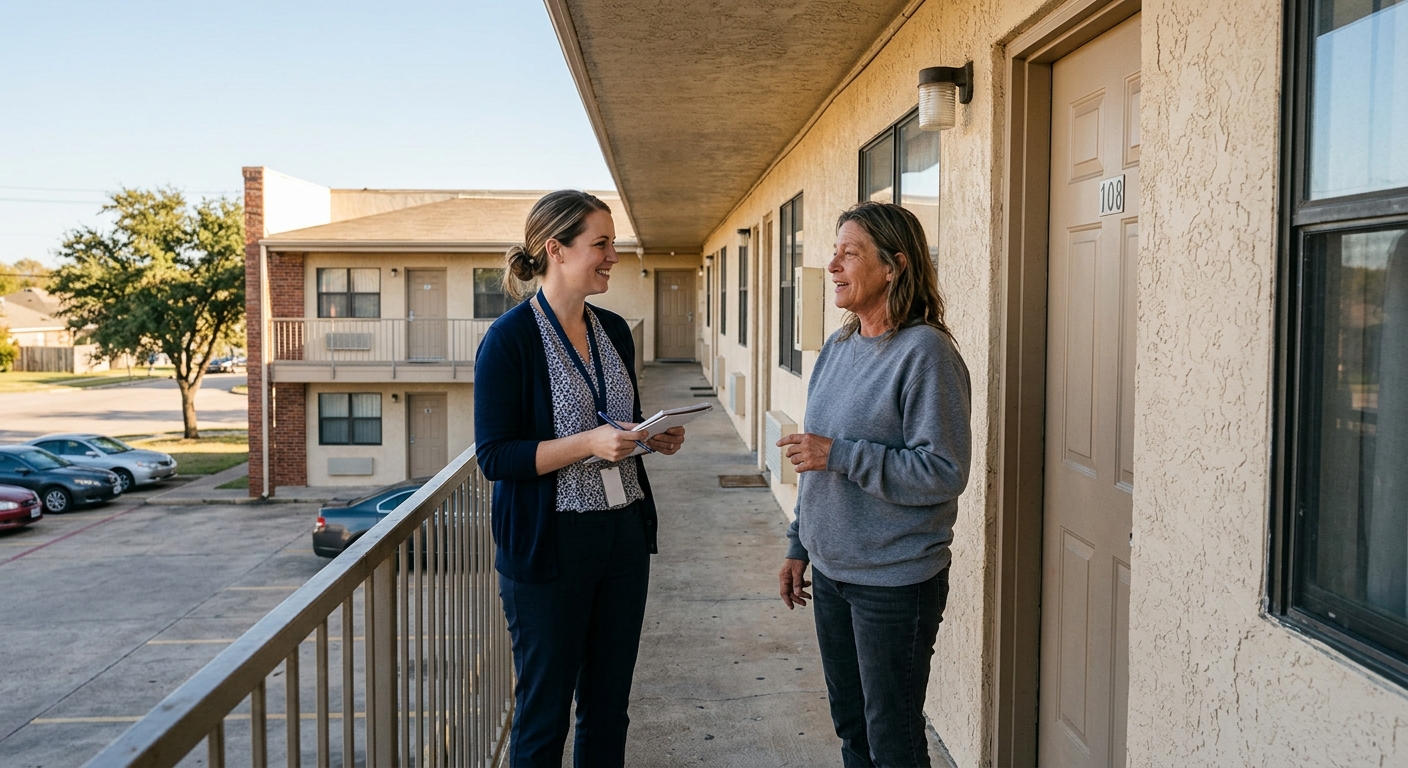
The experience of Maria Contreras and her son Ian, both residents of Texas, underscores these challenges. After encountering significant delays while waiting for Ian’s school-based disability assessment, the family found themselves at a disadvantage when it came to accessing scholarship priority. Stories like theirs highlight the persistent difficulties for public school students and their parents navigating the scholarship application and evaluation processes.
Private School Enrollment and Special Education Concerns
Parents of children with learning differences may look to private schools for smaller class sizes or more individualized attention. However, unlike public schools, private institutions in Texas are not obligated to deliver special education services. This means that while vouchers and private school scholarships can enable new educational paths, families of students with learning disabilities must weigh whether their chosen school can meet their child’s specific needs.
The Road Ahead for Education Savings and Choice
With private school enrollment potentially poised to increase, lawmakers and education advocates are watching how scholarship programs impact the broader landscape. Texas’ commitment to expanding school choice and education vouchers reflects a national drive towards personalizing educational options. Yet, the experience on the ground illustrates that eligibility requirements, bureaucratic processes, and questions regarding special education provision will continue to shape who truly gains from increased scholarship eligibility in the region.
Engaging Texas Communities in the Education Debate
As the program unfolds, community groups, advocacy organizations, and local school districts will play crucial roles in supporting families. Ensuring transparent information and facilitating timely disability evaluations are essential to leveling the playing field for all students. For many in Texas, the promise of texas education freedom will depend not just on expanding funding, but on making access equitable, especially for those historically underserved by private school scholarship programs.