- calendar_today October 12, 2026
What Is Indigenous Peoples Day?
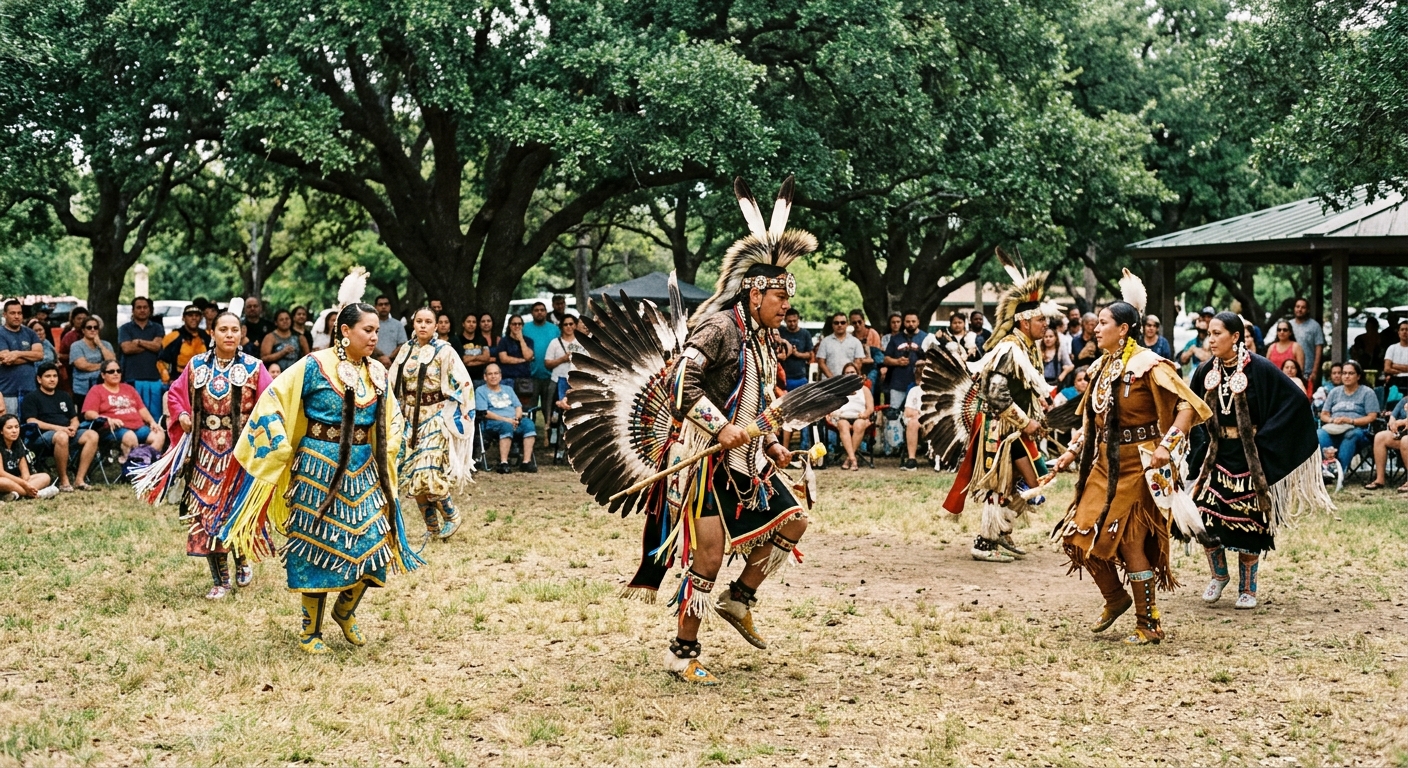
Indigenous Peoples Day is a day dedicated to celebrating the history, culture, and resilience of Native Americans. Observed with ceremonies, dances, and speeches, the day recognizes the enduring spirit of tribal nations across the United States. It stands as both a celebration and a protest, aimed at reclaiming history from narratives deeply rooted in colonialism—and shifting focus away from the traditional commemoration of explorer Christopher Columbus.
Origins and Purpose of the Observance
For decades, Indigenous Peoples Day has been recognized in different forms and under various names. Its purpose is to celebrate Native American history and culture, and to acknowledge the challenges that Indigenous communities have faced and continue to face in the wake of colonialism. The day seeks to honor America’s first inhabitants and the tribal nations that persist and thrive today.
President Joe Biden officially commemorated Indigenous Peoples Day in 2021. In his statement, Biden emphasized the significance of acknowledging both the resilience of Indigenous peoples and the ongoing impact of policies that have targeted their communities. He described the day as a means to “honor America’s first inhabitants and the Tribal Nations that continue to thrive today.”
Relationship with Columbus Day
Indigenous Peoples Day is typically observed on the second Monday in October, coinciding with Columbus Day—a federal holiday established to mark Christopher Columbus’s 1492 sighting of the Americas. Increasingly, states, cities, and school systems have chosen to either observe Indigenous Peoples Day alongside or instead of Columbus Day, reflecting a broader shift in public consciousness.
The day is often used as a moment of protest against monuments celebrating Columbus, calls for environmental justice, demands for the return of Indigenous lands, and petitions to address the crisis of missing and murdered Indigenous women. These actions reflect ongoing debates about colonialism’s impact and the need for wider societal recognition of indigenous rights.
Federal Holiday Recognition and Local Observance
While Indigenous Peoples Day is not a federal holiday, some states and the District of Columbia officially recognize it. Frequently, the day is paired with or replaces Columbus Day in certain cities and institutions, demonstrating growing acknowledgment of native american history and native american resilience at local and regional levels.
Despite this expansion, not all leaders have supported the shift in focus. For example, President Donald Trump stated that he would not continue the practice of recognizing Indigenous Peoples Day alongside Columbus Day, highlighting ongoing political debate over its place in the national calendar.
Recognition of Indigenous Contributions and Historical Harms
Efforts to gain official recognition for Indigenous Peoples Day are rooted in responses to longstanding injustices. In his proclamation, Biden wrote, “For generations, federal policies systematically sought to assimilate and displace Native people and eradicate Native cultures.” He also referenced the immeasurable positive impact that Indigenous peoples have had on American society despite such adversity.
Biden’s related statement on Columbus Day acknowledged the contributions of Italian Americans while also referencing the harm and violence that Columbus and other explorers brought to the Americas. He noted that many of these explorers’ quests—including Columbus’s landing in the Bahamas in 1492—resulted in the decimation of Native populations through enslavement and exploitation. Biden stated, “We also acknowledge the painful history of wrongs and atrocities that many European explorers inflicted on Tribal Nations and Indigenous communities.”
By shining a light on these histories, the observance seeks not to bury the past, but to address injustices and foster true recognition for tribal nations.
Continuing the Conversation
Indigenous Peoples Day functions as both a celebration of native american resilience and an opportunity to demand justice for ongoing issues, from environmental challenges to the crisis of missing indigenous women. Through ceremonies and protests, Indigenous communities and allies continue to press for recognition, rights, and respect for tribal sovereignty and history.
Source: mysanantonio.com.