- calendar_today August 10, 2025
In 2025, the United States rolled out significant tariff measures, including a 104% tariff on Chinese imports and a 25% tariff on foreign-made automobiles. These tariffs have caused major shifts in global markets, and Texas—home to a diverse economy driven by energy, manufacturing, and agriculture—is feeling their effects.
The tariff announcements led to a dramatic drop in global financial markets. The Dow Jones fell by more than 2,200 points, and the S&P 500 saw nearly a 10% loss. For Texas, a state that plays a critical role in the U.S. energy, manufacturing, and agricultural sectors, these changes have far-reaching implications. In this article, we examine how these tariffs are reshaping Texas’ economy and offer practical insights for local investors to adjust their strategies in response to these developments.
The Economic Impact of Tariffs on Texas’ Key Sectors
Texas’ economy is diverse and heavily intertwined with global trade. Key sectors such as energy, manufacturing, and agriculture are particularly sensitive to changes in trade policy. The tariffs imposed in 2025 have had varying effects on these industries, creating both challenges and new opportunities for investors in Texas.
Energy and Oil & Gas
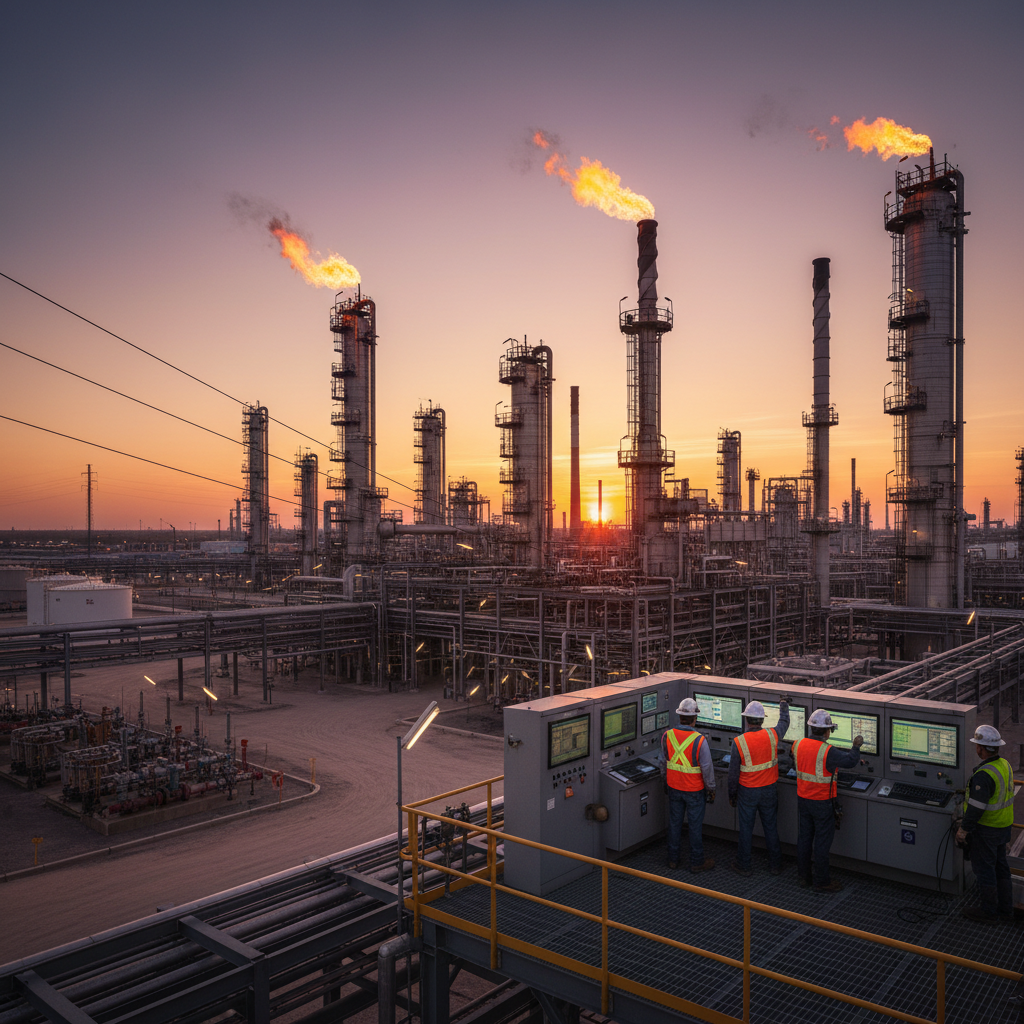
Texas is the nation’s leading producer of oil and natural gas, making the energy sector a cornerstone of the state’s economy. While the tariffs do not directly target oil exports, the broader disruptions in global trade and market volatility are affecting oil prices and energy demand.
Global economic uncertainty, particularly from the tariffs, has caused oil prices to fluctuate. As the world’s largest energy exporter, Texas’s oil and gas companies, like ExxonMobil and Chevron, may face reduced demand for exports, especially from Asia. On the other hand, reduced global competition could drive local energy companies to increase production for domestic consumption.
For Texas investors in energy, it’s important to monitor oil and natural gas price trends closely, as fluctuations could lead to volatility. With this in mind, investors may want to diversify into renewable energy projects and technologies, which could benefit as the U.S. accelerates its shift towards cleaner energy alternatives.
Manufacturing and Aerospace
Texas has a significant manufacturing base, with industries ranging from aerospace and electronics to machinery and automotive parts. The 25% tariff on automobile imports has disrupted the automotive sector, and companies in Texas that rely on automotive production, such as Toyota and Ford, are facing higher costs for materials and components.
Additionally, the 104% tariff on Chinese imports is raising the price of essential manufacturing materials, such as steel and aluminum, affecting companies involved in machinery and electronics manufacturing. Texas manufacturers may need to consider reshoring efforts to mitigate tariff-related costs, although this could increase domestic production costs in the short term.
For investors, the key is to monitor reshoring trends and identify companies that are moving production back to the U.S. This shift could provide opportunities for growth, particularly in industries like aerospace and clean energy technologies, which are becoming increasingly important in Texas.
Agriculture and Raw Materials
Texas has a thriving agricultural industry, producing key commodities such as cattle, cotton, corn, and soybeans. The 34% tariff China has imposed on U.S. agricultural exports has significantly affected Texas’ farmers, particularly in soybean and pork production. China was a significant buyer of Texas agricultural products, and with the tariffs, the state is now facing decreased demand and lower commodity prices.
The U.S. Department of Agriculture’s projections show agricultural exports for FY2025 are expected to be slightly higher than 2024 but still lower than pre-tariff levels. Texas farmers are finding it increasingly difficult to compete with global suppliers, especially from Brazil and Argentina, who are stepping in to fill the gap.
For investors in Texas agriculture, it’s crucial to keep an eye on shifting global demand and commodity prices. While trade wars may hinder short-term growth, there could be long-term opportunities in sustainable farming and domestic-focused food production.
What Texas Investors Should Do
Given the economic disruptions caused by these tariffs, Texas investors need to take proactive steps to safeguard their portfolios and capitalize on emerging opportunities. Here are a few strategies that can help investors adapt to the new economic landscape:
- Diversify Across Sectors
With manufacturing, energy, and agriculture facing increased uncertainty, investors should look to diversify into infrastructure, healthcare, and technology—sectors that are less affected by global trade disruptions. These industries tend to be more stable and can provide opportunities in times of market volatility. - Invest in Renewable Energy and Clean Technologies
The shift towards green energy presents a long-term growth opportunity. Texas investors should focus on companies involved in renewable energy projects, such as wind and solar energy, as the U.S. continues to transition to cleaner energy sources. The tariffs may also spur innovation in domestic energy solutions, which could benefit companies based in Texas. - Look for Opportunities in Reshoring and Domestic Manufacturing
As companies reconsider their global supply chains, there is an opportunity for reshoring to boost domestic manufacturing. Texas investors should look for companies in aerospace, machinery, and automotive manufacturing that are bringing production back to the U.S. Companies that are investing in reshoring efforts may see long-term growth as they reduce reliance on foreign suppliers. - Hedge with Safe-Haven Assets
Given the market volatility caused by the tariffs, investors may want to allocate some portion of their portfolio to gold, real estate investment trusts (REITs), and inflation-protected securities (TIPS). These assets tend to hold their value during periods of economic uncertainty and can provide a hedge against inflationary pressures brought about by higher tariffs.
Opportunities Amid Disruption
While the 2025 tariffs have caused significant short-term disruptions in Texas’ economy, they also offer long-term opportunities. Reshoring efforts, growing demand for clean energy, and the continued strength of Texas’ manufacturing and agricultural sectors position the state for future growth.
For Texas investors, staying informed, diversifying portfolios, and focusing on sectors that are less reliant on global supply chains are crucial steps for navigating the current volatility. By adjusting investment strategies to align with the long-term trends of reshoring and clean energy, Texas investors can position themselves for success in the evolving economic landscape.