- calendar_today August 1, 2026
Houston, Texas – The renowned Houston Barbecue Inn, a fixture in the Texas dining scene for nearly eight decades, will soon serve its final meal. The iconic restaurant’s closure follows the retirement of its 86-year-old owner, placing a spotlight on the changing landscape of Houston barbecue inn and beloved local eateries across Texas.
Historic Barbecue Inn Closure Draws Community Response
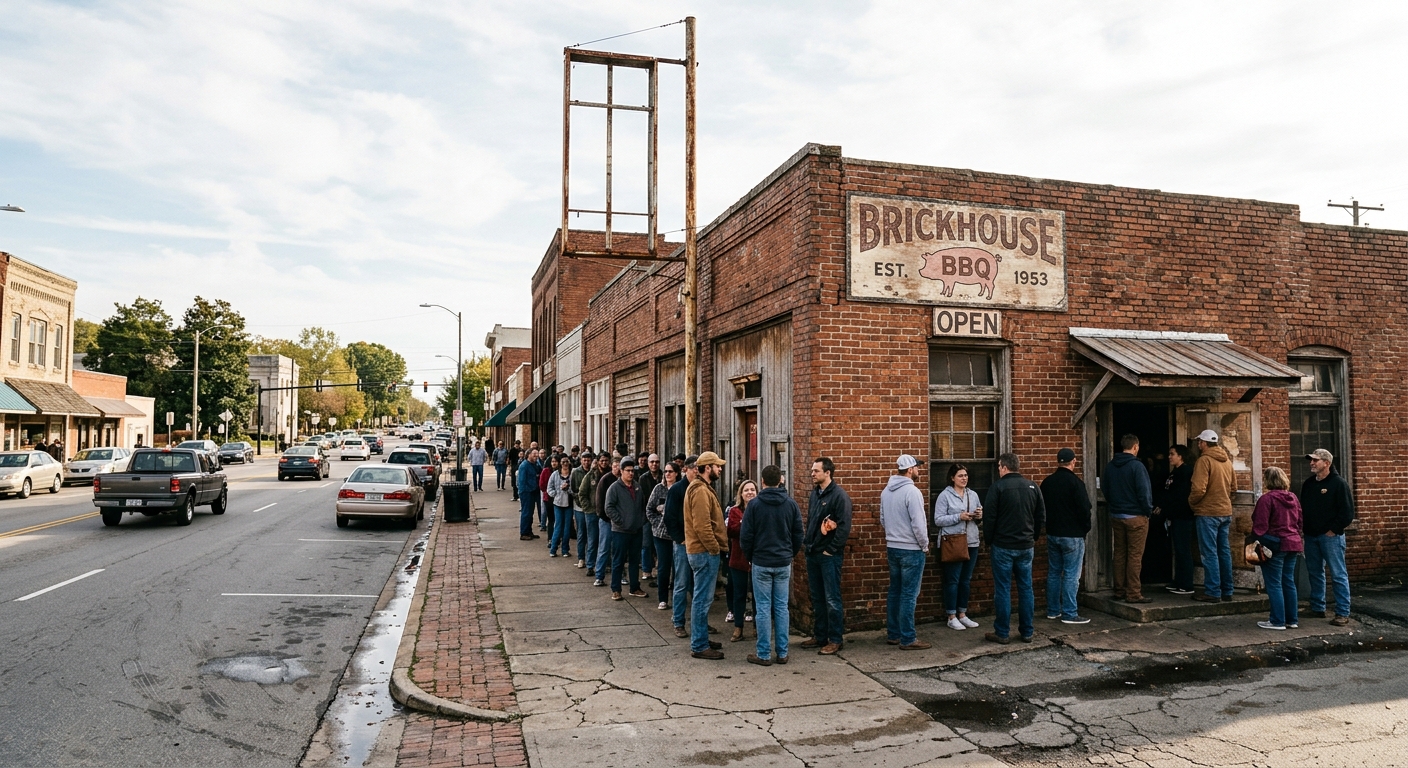
Since the announcement of the barbecue inn closure, crowds have gathered, forming long lines as loyal patrons and new visitors alike seek a last taste of the restaurant’s classic fare. The closure resonates throughout the region, underscoring the legacy of one of the oldest continuously operating Houston restaurants.
Restaurant Closures Reflect Broader Regional Trends
The shuttering of Barbecue Inn is not an isolated incident, but part of a wave of restaurant closures shaping the Houston dining landscape. In recent years, other landmarks—including Kim Son, Ginger and Fork, This Is It, and Uncle Tony’s—have also ceased operations, a testament to the mounting difficulties facing independent restaurants in Texas.
Rising Food Costs and Labor Challenges
Multiple factors have contributed to the Barbecue Inn’s decision to close its doors. Owners cite rising food costs and a marked labor cost increase as key hurdles. Statewide data supports this trend: 88% of Texas restaurant owners report higher food expenses, while 66% point to increased labor costs. These financial pressures have created an unsustainable environment for many.
Pandemic Impact and Owner Retirement
The COVID-19 pandemic impact continues to shape the food industry in Texas. The Barbecue Inn’s owner, announcing his restaurant owner retirement, noted that in recent years, “it felt like we were working for nothing.” The pandemic accelerated changes in consumer behavior and supply chains, leaving many family-owned establishments struggling to adapt.
Local Dining History and Cultural Loss
The closure of the Barbecue Inn represents more than just the loss of a favorite eatery; it signifies a fading chapter in local dining history. For generations, the restaurant served as a gathering spot, connecting neighborhoods and cementing itself as a staple of Houston barbecue culture.
Customer Traffic Decline in the Wake of Change
Industry analysts point to a broader customer traffic decline, with 52% of Texas restaurants reporting fewer guests. The shift is felt acutely in Houston, where changing dining habits and economic pressures have led to quieter dining rooms and difficult decisions for owners concerned about preserving their establishments’ legacies.
Houston Barbecue Inn’s Enduring Influence
While the current wave of closures raises concerns about the future of Houston’s distinctive food scene, the legacy of Barbecue Inn endures. Its 80-year history is a reminder of the resilience and community connections that define Texas dining.
For many in Texas, saying farewell to the Houston Barbecue Inn is both a personal and cultural loss, as the region reflects on what makes its local establishments truly irreplaceable.