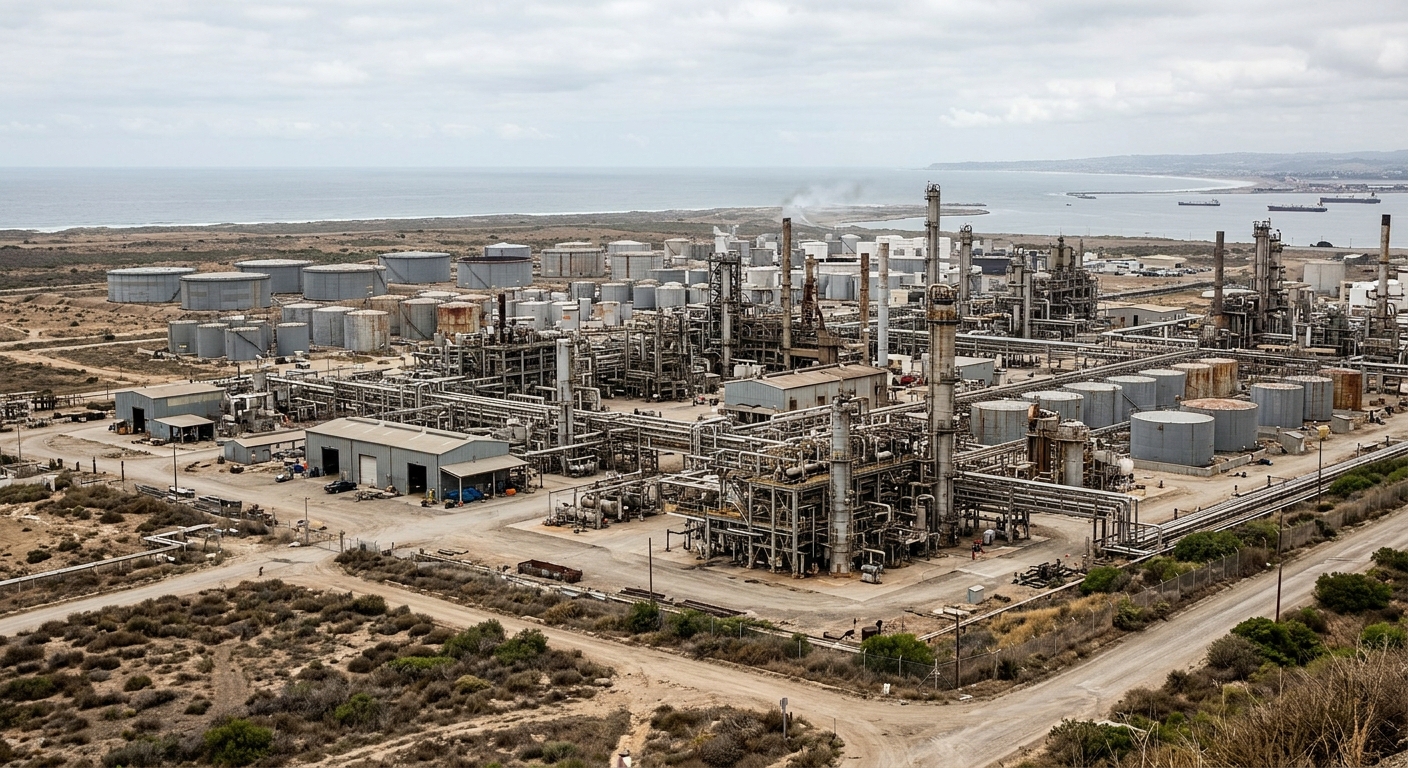
AI-generated illustration; not a photograph of the reported event.
- calendar_today November 13, 2026
NRC Grants Permit for Advanced Nuclear Reactors in Texas
The Nuclear Regulatory Commission (NRC) recently approved a construction permit for four next-generation nuclear reactors at a Dow petrochemical facility along the rural Gulf Coast of Texas. This development places Texas at the forefront of efforts to modernize nuclear energy technologies in the United States.
Project Details: Dow and X-energy Collaboration
The Long Mott Generating Station project is a joint effort between chemicals giant Dow and nuclear startup X-energy. It was selected in 2020 by the U.S. Energy Department under its Advanced Reactor Demonstration Program, which aims to jumpstart growth in the nation’s nuclear sector. The facility, located at Dow’s Seadrift Operations complex between Houston and Corpus Christi, will house four 80-megawatt Xe-100 reactors produced by X-energy.
Modular Reactor Designs and Safety Innovations
This Texas project is a leader in deploying new reactor designs that promise to transform the commercial model for atomic energy. Unlike traditional nuclear plants, these modular units can be manufactured in factories and shipped for assembly at industrial sites. The Xe-100 reactors use helium gas instead of water for cooling and feature a bed of pelletized TRISO fuel pebbles, offering what designers call "functional containment" that reduces reliance on complex safety systems and lessens the need for the large concrete containment structures typically associated with nuclear plants.
X-energy CEO J. Clay Sell has described the Xe-100 as "physically impossible to melt down." However, some experts remain cautious. Edwin Lyman of the Union of Concerned Scientists has argued that while the technology may reduce costs, it is “a myth that this fuel is indestructible or meltdown-proof.”
Environmental and Community Responses
The project has attracted local attention and controversy. Diane Wilson, a retired shrimper and director of the environmental group San Antonio Bay Waterkeeper, has raised concerns about the safety of storing spent nuclear fuel onsite, noting the ongoing lack of a permanent national disposal facility. Her organization filed legal challenges to the project's permit, which were ultimately dismissed by the NRC following an expedited review process directed by executive orders from President Donald Trump.
Dow’s Kreshka Young emphasized the company’s sense of responsibility regarding nuclear stewardship at a public meeting in Port Lavaca. The NRC hosted the meeting to engage with residents and stakeholders about the Long Mott project.
Next Steps and Industry Implications
Dow has yet to make a final decision to proceed with reactor construction, though the company has acknowledged the NRC permit as a major milestone. If construction moves forward, work could begin before 2030. The Nuclear Energy Institute's general counsel Martin O’Neal suggested this project could pave the way for other industries to adopt onsite power generation using modular reactors.
The NRC’s approval marks only the third permit issued for new nuclear construction in the U.S. in recent decades, underscoring renewed federal interest in advanced nuclear technologies. The regulatory body highlighted its ability to conduct rigorous reviews in predictable timelines, crucial for moving innovative reactor designs from planning to deployment.
New Era for U.S. Nuclear Development
As the U.S. nuclear sector seeks revival, advanced designs like the Xe-100 and TRISO fuel offer pathways to safer, more adaptable, and potentially less expensive atomic energy. Proponents argue these innovations can enable faster deployment of reliable power at industrial sites, while critics urge ongoing scrutiny of nuclear safety and waste storage concerns.
Related coverage
Source: feeds.texastribune.org.