- calendar_today August 9, 2025
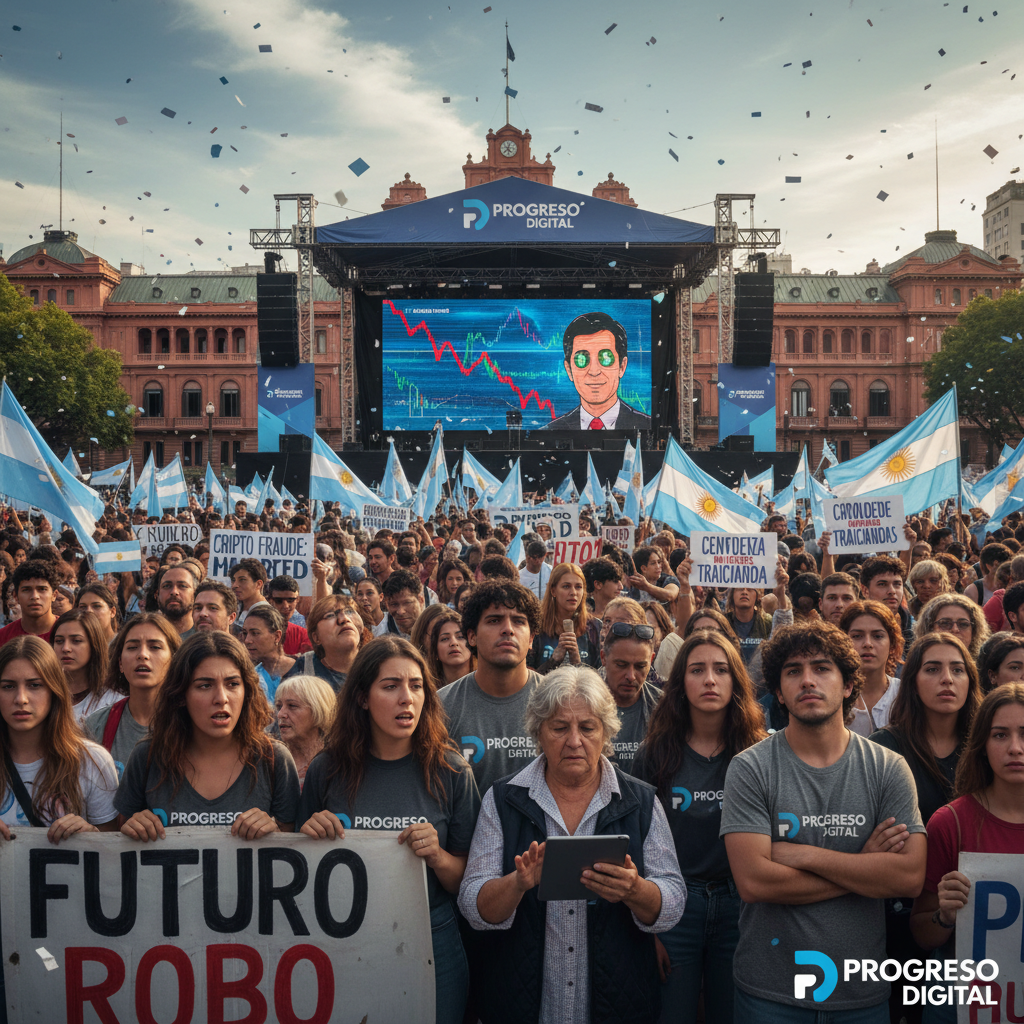
Public trust in Argentine President Javier Milei has sharply decreased according to a recent survey, while his tenure as a libertarian leader continues to spark both strong support and growing controversy. The Zuban Córdoba survey results from March 12 to 14 show that 57.6% of Argentinians distrust their president based on responses from 1,600 people and a 95% confidence level with a 2.4% margin of error. The substantial decrease in public sentiment happened shortly after President Milei became embroiled in the LIBRA cryptocurrency scandal, which led to severe financial losses for many investors.
The Zuban Córdoba report reveals increasing public disappointment with the current administration. The negative trend continues to rise at a slow yet constant pace and shows no signs of stopping. Government assessment shifts toward negativity as additional political challenges continue to develop. The report said that multiple bloodbaths had become the defining events of recent months and underscored the growing crisis sentiment among citizens.
A survey conducted more than a month after the cryptocurrency scandal revealed that only 36% of respondents demonstrated trust towards Milei. Six point four percent of respondents were undecided, which allowed the majority to express distrust. Milei’s trustworthiness suffers greatly from this incident, which undermines his capacity to lead. The majority of respondents now view him negatively since 58.5% have developed negative perceptions, while only 41.1% continue to hold favorable opinions. The public disapproval of Milei’s administration reflects this negative view. The majority of participants, 58.4%, criticize his management, while 41.6% remain supportive. Current statistics highlight the increasing social divide in Argentina concerning Milei’s leadership approach and policies.
The LIBRA Cryptocurrency Scandal and Its Fallout
The LIBRA cryptocurrency scandal, which led to this public confidence downturn, started on February 14. Milei used his X (formerly Twitter) account to advocate for a brand-new cryptocurrency before the post was deleted. The token’s market valuation reached over $4 billion in a matter of hours. The token experienced a brief period of rapid growth before its value dropped by more than 95% when early investors and supposed insiders sold their shares.
The blockchain analytics company Nansen documented how insiders alongside bots earned $180 million while 86% of LIBRA investors faced $251 million in losses. Thousands of investors who supported Milei experienced financial devastation from the impact.
Milei responded to the scandal by stating his role was limited to sharing information about LIBRA without providing any endorsement. This explanation was ineffective at reducing public outrage or mitigating legal scrutiny. Authorities in Argentina initiated a federal inquiry into President Milei’s role after the event triggered multiple criminal complaints against him and his associates.
Political Landscape and Future Implications
La Libertad Avanza remains at the forefront of election polls despite the negative impact on Milei’s reputation as October 26 voting approaches. The party maintains a lead with 36.7% support, which stands above the opposition coalition Unión por la Patria’s 32.5%. The scandal has damaged both Milei’s reputation and public trust, but failed to totally destroy his political movement. The forthcoming elections will be a fundamental test to evaluate whether he can sustain his political significance amidst increasing public skepticism and legal complications.
The current circumstances reveal how public opinion remains unstable in Argentina and the numerous obstacles Milei encounters while trying to lead Argentina’s intricate political environment. His presidency and Argentine political future will be shaped by the interactions between his economic policies and public statements amid the LIBRA scandal investigations. The survey findings mark a decisive turning point in Milei’s political life by exposing how fragile public confidence is and the likelihood of swift changes in political backing.