
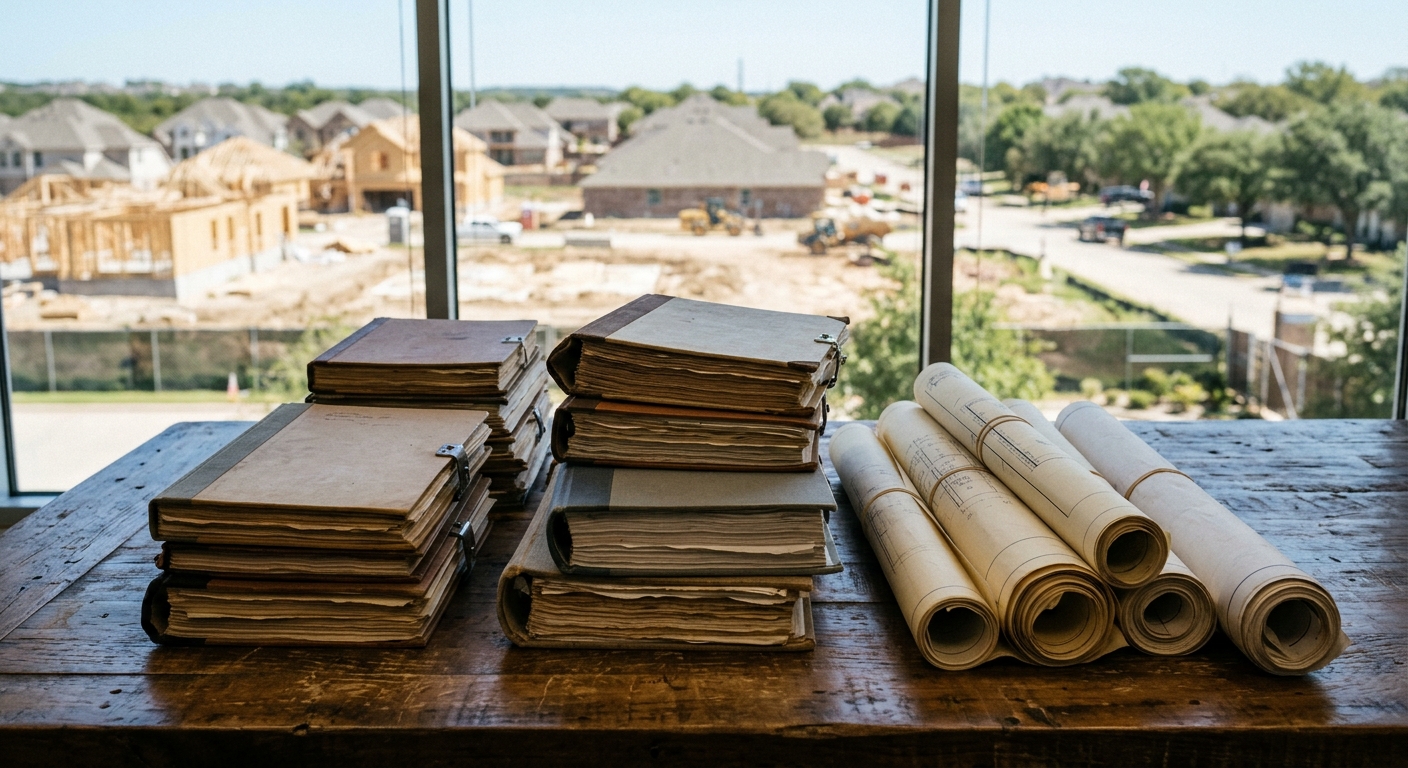
AI-generated illustration; not a photograph of the reported event.
- calendar_today November 9, 2026
Democrats Take Control of State and Urban Politics in Texas
After years of conflict between Republican state lawmakers and city leaders, Texas is witnessing a significant political transition. Democrats have swept statewide offices and taken a surprise majority in the Texas House of Representatives, bringing the GOP-led challenges to city and county authority to a halt. Local officials, who have often been at odds with the state, now anticipate greater collaboration instead of the previous adversarial relationship.
A History of Tension Between State and Cities
Republican lawmakers had implemented laws that limited the powers of Texas' increasingly progressive urban areas. Previous interventions included blocking local fracking bans, overruling pandemic mask mandates, and attempting to stop Austin's light-rail project. Recent Republican legislative efforts focused on restricting cities' abilities to raise property taxes and preempting local regulations that conflicted with state law.
Changing Political Landscape and Local Government Expectations
With the Democratic sweep, city and county leaders are shifting from a defensive stance. Austin Mayor Kirk Watson expressed relief, noting, "I don't think we need to be on the defense the way we have in the past." The Democrats' gains at state and local levels, including flipping the Tarrant County Commissioners Court and all five of the state's largest urban counties, have prompted officials to begin formulating wishlists for the upcoming legislative session. Needs cited include increased funding for transportation, indigent care, and policing.
Challenges in Repealing Existing GOP Laws
Despite Democratic victories, many laws enacted by Republicans to restrict city and county authority remain on the books. Repealing measures like property tax limits and the controversial "Death Star" law—which broadly preempts local authority on numerous issues—will likely be slow and politically complicated. Republicans still control the Texas Senate, suggesting future legislative stalemates are possible.
Focus on Partnership and State Support
Fort Worth Mayor Mattie Parker and Travis County Judge Andy Brown emphasized the desire for a collaborative relationship with state government. Local leaders are hopeful that Democratic control will result in more support for their priorities. Other possibilities under discussion include expansion of Medicaid, state sharing of police funding responsibilities, and a more hands-off approach to local projects like Austin’s Project Connect light-rail initiative.
Housing Affordability: The Next Test for State-Local Relations
One area where Democrats may diverge from traditional local control is housing affordability. Bi-partisan legislation in 2023 made it easier to build more housing units by relaxing local regulations, such as through Senate Bills 840 and 15. While this move was designed to alleviate rising housing costs, some cities have resisted, arguing it reduces their ability to negotiate with developers and tailor solutions to community needs. Housing advocates, however, say statewide action is essential for addressing the housing shortage.
With Democrats now leading the state, local leaders anticipate new opportunities for partnership, though existing GOP laws, persistent political divisions, and urgent policy challenges like housing affordability may hinder or shape the path forward.
Related coverage
Source: mysanantonio.com.


