
- calendar_today August 23, 2025
Google is embarking on an ambitious path to transform its smart home ecosystem which demonstrates major advancements for the Google Home app. Google continues its development of a streamlined user experience while completing Nest device integration into the Home app. The core of this transformation is a comprehensive integration of Gemini AI which delivers intelligent automation and intuitive user control for connected home environments. The enhancements together with improved third-party device support via the Home API create a foundation for a completely synchronized and anticipatory smart home environment.
Smart device management across Google’s cameras, thermostats, and smoke detectors along with third-party products is centralized in the Google Home app. It has always been feasible to support a mixed setup but the management complexity of different devices frequently presents significant challenges. Google maintains that the implementation of artificial intelligence technology like Gemini will create a more accessible and intuitive environment.
Gemini’s Expanding Reach: From Labs to a Unified Smart Home
Initial tests of Gemini integrations with Google Home marked the beginning of this AI-powered smart home journey from last year. Google is now making Gemini’s capabilities accessible to more third-party devices through the Home API. This development marks an essential advancement toward achieving a fully interoperable smart home environment. Google has been working closely with selected partners to establish device integration before making them available to the general public. The First Alert smoke/carbon monoxide detector and Yale smart lock come as replacements for Google’s discontinued Nest devices and are among the first products to receive enhanced integration through this new approach. Google works with innovative partners such as Cync lighting Motorola Tags and iRobot vacuums to commit to a comprehensive smart home category coverage.
Gemini expansion presents significant potential for transforming the future of smart home automation systems. Google has improved these features in its Labs program so users can employ conversational AI to build intricate routines effortlessly. Users can tell Gemini to create automation by saying “Remind me about package deliveries” or “Detect unwanted animals in my garden,” and the AI system will configure the necessary settings without requiring users to go through complicated menu navigation. Natural language interaction promises to open smart home automation to a broader audience by eliminating technical barriers. Gemini now supports the automation API which allows the platform to access a wider array of smart home devices and provide more detailed recommendations for automated tasks. The Gemini expansion announced by Google will feature more triggers that respond to real-world conditions including specific dates and weather patterns which will enhance the sophistication and relevance of home automation.
Enhanced Insights and Developer Opportunities
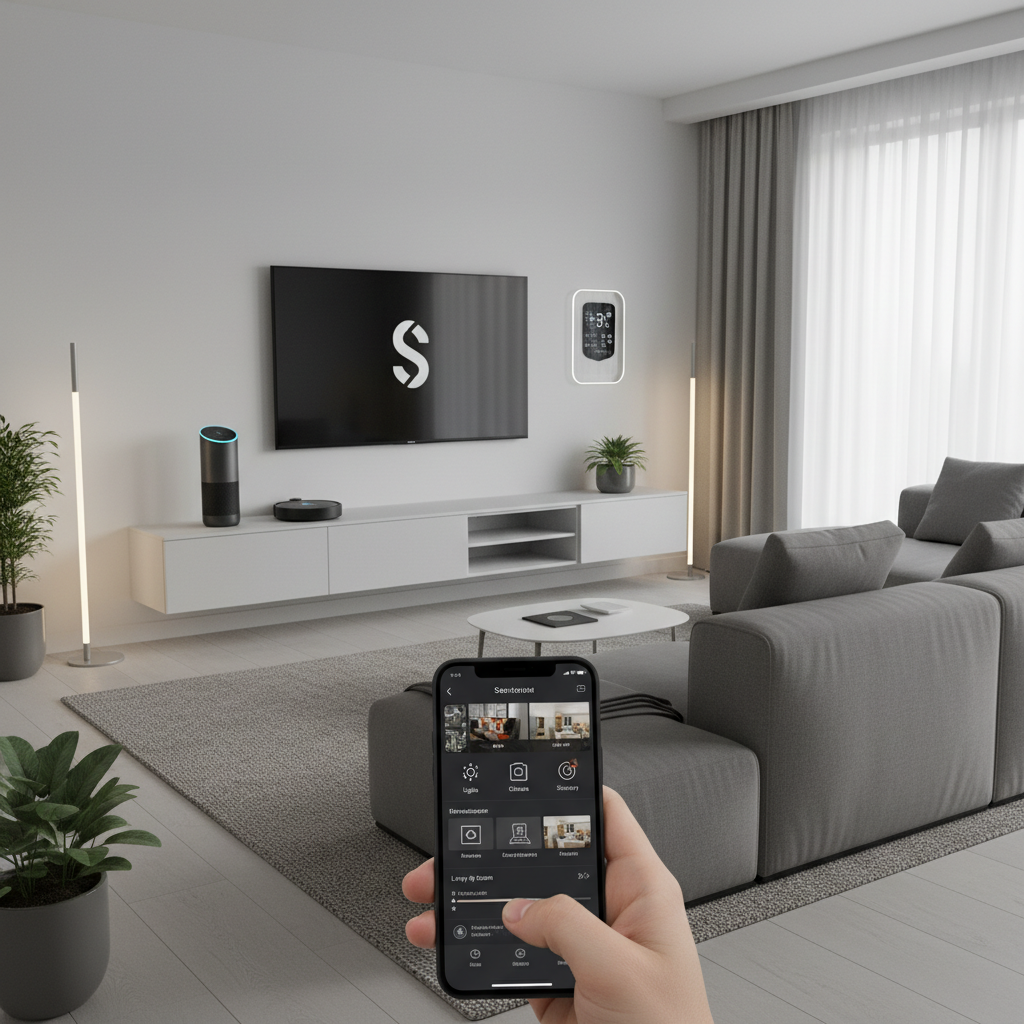
The advanced nature of current smart home configurations frequently makes it difficult to understand the ongoing activities inside the house. Google Home’s “favorites” page simplifies things to some extent but Google plans to introduce a new tool that will offer faster and easier-to-digest insights. The Home Summary Widget delivers real-time updates and monitoring capabilities for your smart home environment through your Android device. The Home Summary Widget can automatically alert you when a package arrives at your doorstep or remind you that your lights remain on. The provided quick-view information intends to create peace of mind while enabling users to manage their homes proactively.
The innovative Home Summary Widget is currently in testing on a select group of Pixel phones. Google plans to expand distribution through its Labs program soon which will enable more users to try out the product and give important feedback. Currently, Google remains reserved regarding its general public release strategy and does not wish to provide any concrete promises at this time. The company’s cautious method demonstrates its dedication to thorough testing and refinement before launching the product more broadly.
Developers who want to learn about new API possibilities and help shape the Google Home ecosystem should subscribe to Google’s smart home developer newsletter. Developers who subscribe to the smart home developer newsletter will be kept informed about updates when the early access program for new capabilities begins later this year. The message is clear: Google Home enhancements include developer participation and innovation in smart living solutions. Google Home will deliver more intuitive and automated smart home experiences for everyone through the leadership of Gemini and stronger dedication to open standards. Google demonstrates its dedication to smart home innovation by striving for enhanced integration capabilities alongside intuitive controls and forward-thinking insights to achieve seamless daily functionality.


