- calendar_today August 8, 2025
Texas enters 2025 with one of the most dynamic and closely watched housing markets in the country. From Austin’s tech-driven demand to Dallas-Fort Worth’s continuous suburban sprawl, the state’s vast geography presents an array of real estate trends shaped by internal migration, evolving buyer priorities, and a steady influx of new construction.
While the Texas real estate boom of the early 2020s was defined by explosive growth, 2025 marks a year of consolidation and recalibration. Price hikes have moderated, inventory is slowly rebuilding, and new homebuyers—many arriving from other states—are seeking affordability without sacrificing access to jobs and infrastructure.
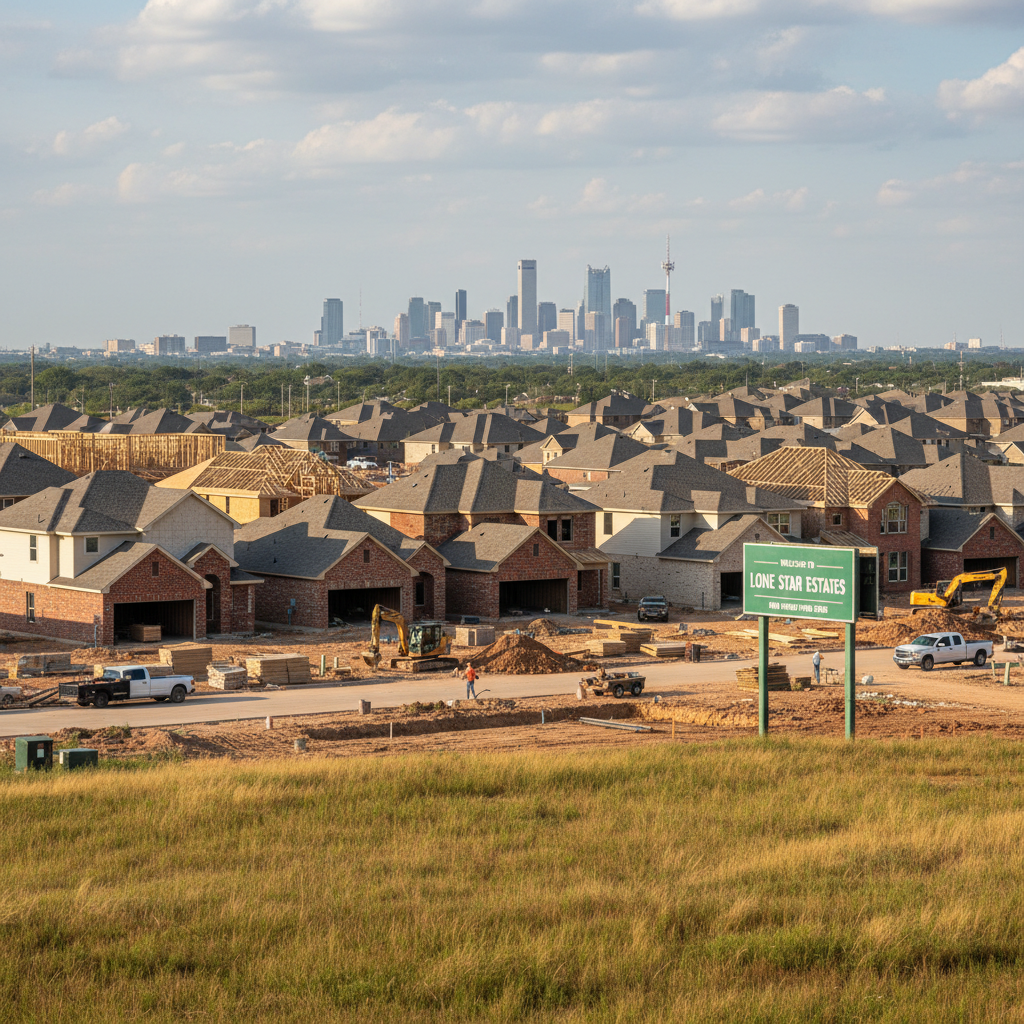
The push toward suburban communities continues across Texas, particularly around major cities like Houston, San Antonio, and Dallas-Fort Worth. These regions are experiencing increased residential development, particularly in areas previously considered commuter towns. Builders are responding by accelerating construction on mid-tier housing projects that appeal to families, remote workers, and young professionals priced out of city cores.
In Central Texas, Austin remains a high-demand market, but buyers are looking beyond the city limits to Pflugerville, Kyle, and Georgetown. These areas offer more space and relatively lower prices while still being within a reasonable commute of Austin’s tech hubs.
Inventory on the Rise, But Demand Persists
After years of inventory shortages, Texas is seeing gradual improvement in housing availability. Data from the Texas Real Estate Research Center shows a year-over-year increase in listings, especially in the new-build segment. However, the demand—particularly from out-of-state relocators—continues to put upward pressure on certain local markets, keeping prices stable rather than dropping significantly.
Affordability remains a concern in some urban ZIP codes, where the pace of wage growth hasn’t always kept up with housing costs. Nonetheless, compared to markets on the East or West Coast, Texas cities still offer attractive value.
Price Growth Levels Off Across Most Regions
While home prices soared during the pandemic years, 2025 sees a more measured trajectory. The statewide average sales price has increased only modestly—roughly 3–5% compared to the previous year—indicating a soft landing rather than a dramatic correction.
Some areas, like El Paso and parts of rural East Texas, have even seen prices stabilize or dip slightly due to less competitive pressure. In contrast, high-demand regions like Collin County or Williamson County continue to experience minor appreciation, driven by job growth and population influx.
Migration and the Texas Advantage
Texas continues to be a magnet for domestic migration, with individuals and businesses relocating from higher-cost states such as California, Illinois, and New York. This movement fuels housing demand, particularly in tax-friendly and development-friendly areas.
While this trend benefits the real estate sector, it also intensifies concerns around infrastructure, zoning, and long-term urban planning. Municipalities across Texas are working to update policies to manage growth while preserving livability.
Investment and Rental Markets Stay Resilient
The rental market in Texas is also showing signs of stability. Multifamily development, especially in city centers, has helped ease upward rent pressure. Investors are focusing on suburban rental communities and build-to-rent properties, particularly in markets like San Antonio, Fort Worth, and Lubbock.
Although institutional investors have slightly pulled back compared to 2022 levels, local investors remain active, encouraged by Texas’s landlord-friendly policies and population trends.