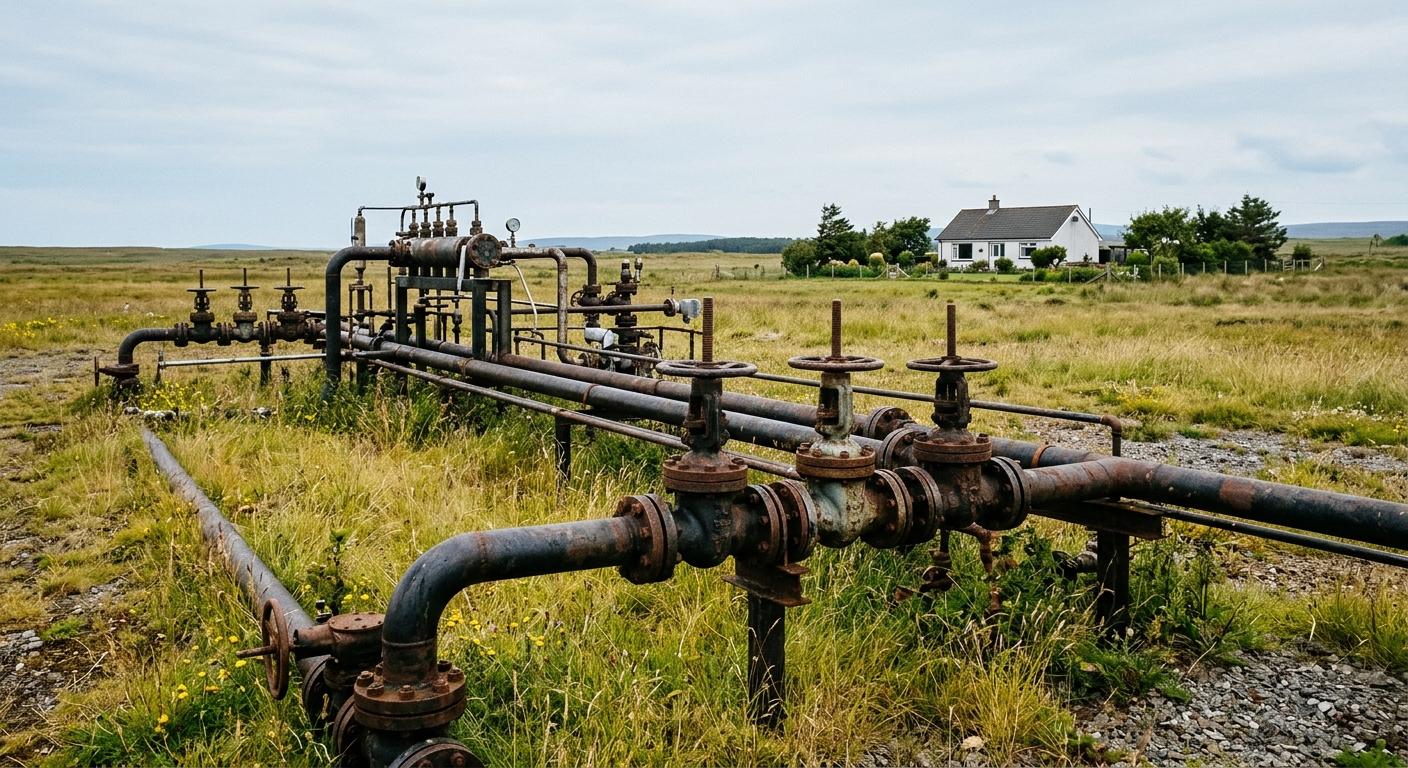
AI-generated illustration; not a photograph of the reported event.
- calendar_today November 10, 2026
ExxonMobil's Carbon Storage Project Approved Amid Local Opposition
On a rural road outside Beaumont, Texas, ExxonMobil is preparing to launch what may be the state's first operational carbon storage project. The initiative will involve the underground injection of carbon dioxide (CO2)—a greenhouse gas contributing to global warming—with the goal of permanently trapping it underground. The Texas Railroad Commission, which regulates the state’s oil and gas industry, approved ExxonMobil's permit for the project in September, marking a major milestone for the state’s evolving approach to carbon management.
Cheek Residents Express Safety and Environmental Justice Concerns
The project site lies adjacent to Cheek, a predominantly Black and working-class community. Many residents, including members of the Cheek Texas Community Association, have voiced distrust in ExxonMobil's reassurances about the new technology's safety. Fears center on risks to groundwater, potential leaks of CO2, insufficient emergency preparedness, and concerns that the community is being used as a test case without adequate protections. Community leader Douglas Cormier articulated shock at the project’s proximity to residences, while others, such as upholsterer Preston Frank, worry about impacts on property value and generational wealth.
Debate Over Technology's Effectiveness and Risks
Carbon capture and storage technologies are promoted by industry and some policymakers as a critical tool in reducing industrial emissions. Supporters highlight federal tax incentives, Texas’s geology, and the region’s existing pipeline infrastructure. Critics, including Harvard historian Naomi Oreskes, label the technology a “dangerous distraction”—pointing to studies that question whether carbon capture can achieve necessary emission cuts or justify its risks and costs. Past accidents, such as a 2020 CO2 pipeline rupture in Mississippi, have heightened anxieties over pipeline and storage failures.
Regulatory Oversight and Community Engagement
Texas pursued and recently received federal approval to regulate carbon storage permits, shifting oversight from federal agencies to the Texas Railroad Commission. While the commission asserts its record of protecting drinking water in permitting injection wells, watchdog groups and some lawmakers emphasize the need for robust monitoring, better industry accountability, and enhanced training for emergency responders.
Although ExxonMobil has held meetings with local residents and implemented permit requirements—such as automatic well shut-off systems, plume monitoring, and emergency training—some community members and regulators have criticized the company for insufficient engagement after residents hired legal counsel. Commissioner Christi Craddick chided ExxonMobil for not providing enough information or support to Cheek residents, even as she joined in approving the permit.
Broader Trends and Industry Expansion in East Texas
ExxonMobil’s Cheek project is one of 13 carbon storage initiatives underway or planned in Texas, concentrated around existing infrastructure. The company has also launched the nearby "Sunflower" project in Nome, aiming for greater transparency after observing Cheek's backlash. Local opinions in project-adjacent communities vary; while some like Nome farmer Mike Doguet see benefits and improvements in corporate communication, skepticism remains among others wary of environmental and health consequences.
Looking Ahead: Challenges of Trust, Safety, and Regulation
As Texas cements its regulatory power and carbon storage projects move forward, the balance between accelerating climate action, ensuring public safety, and addressing environmental justice remains contentious. The Cheek community continues to demand more robust safeguards and meaningful participation, highlighting the industry’s challenge in building trust with historically marginalized groups. State and federal officials, meanwhile, monitor an industry whose reputation—and climate impact—will be shaped by how these first projects are managed and perceived.
Related coverage
Source: feeds.texastribune.org.