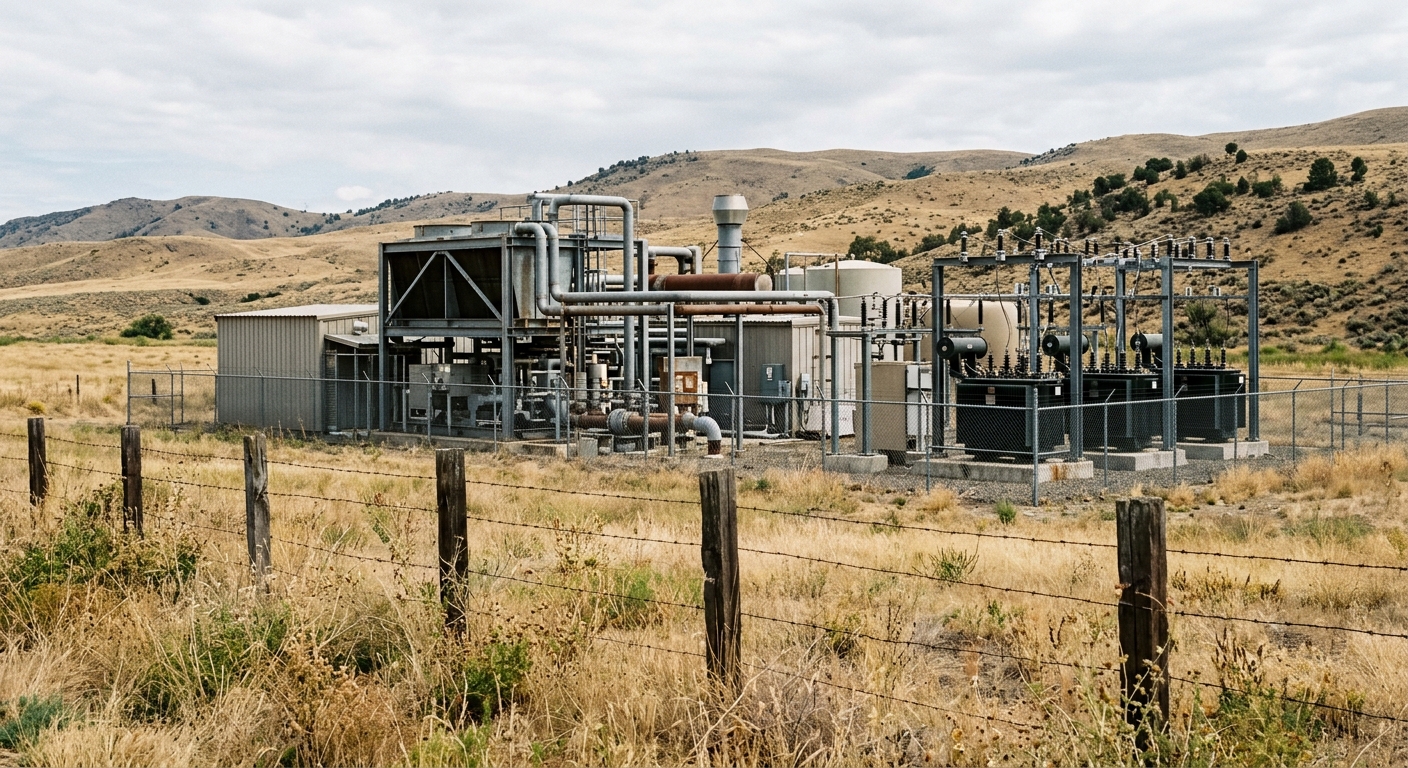
AI-generated illustration; not a photograph of the reported event.
- calendar_today November 9, 2026
The Intersection of AI Growth and Nuclear Energy
Texas is witnessing a dual surge—rapid growth in artificial intelligence (AI) data centers and a parallel revival of nuclear energy. In September, a downtown Austin conference brought tech executives together to discuss the expansion of AI-powered data centers. Outside, protesters voiced concerns over the environmental impacts of these facilities with chants like, “We need clean water, data centers make us hotter.” The protest reflected a broader challenge faced by both the AI and nuclear sectors: community opposition to disruptive, energy-intensive infrastructure.
Nuclear Microreactors: Promise and Controversy
Nuclear startups such as Oklo, a California-based company, are targeting Texas with innovative microreactor designs. These microreactors are smaller, shippable, and aimed at providing a carbon-free, always-on power source. In August, Oklo successfully conducted the first startup of its “Groves” microreactor in Caldwell County, central Texas. Despite only generating about 100 watts during its test run, the milestone demonstrates Oklo’s ability to bring next-generation nuclear technology to market.
Promoted as safer than traditional nuclear plants, microreactors promise cost savings and reduced meltdown risk, using advanced fuels and cooling techniques. The state’s grid operator projects data center-related power demand could quadruple by 2032, with nuclear firms aiming to provide up to 10% of this new energy need nationally by 2035. Governor Greg Abbott has responded to the data center boom with an audit of grid connection requests and active support for microreactor development, including $350 million in public grants to the Texas Advanced Nuclear Energy Office.
Regulatory Shifts and Expedited Approvals
The U.S. Department of Energy (DOE) has launched a program to fast-track pilot tests of microreactors. Accelerated by executive orders under President Donald Trump in May 2025, these changes reduced staff at the Nuclear Regulatory Commission (NRC), initiated broad regulatory reforms, and expanded DOE’s role in approving experimental designs. While aimed at meeting data centers’ energy needs, critics argue these reforms risk public safety and sidestep robust oversight.
Local Resistance and Safety Concerns
Despite technical advancements, nuclear startups face grassroots opposition reminiscent of the backlash against data centers. In Caldwell County, resident and activist Bonnie Marshall launched ‘Lockhart Nuke Watch’ to scrutinize Oklo’s Groves reactor, questioning the lack of robust containment and on-site storage of radioactive materials. She called for improved safety measures, local firefighter training, and public engagement, underscoring concerns that industry efforts to minimize public scrutiny could erode trust.
National organizations, including the Nuclear Information & Resource Service (NIRS), question the safety claims of microreactor proponents. Citing past failures and the lack of real-world disaster testing, experts warn that widespread deployment without adequate safeguards could both heighten public skepticism and undermine climate goals.
Larger Projects, Community Impacts, and Environmental Justice
Major chemical manufacturers are also turning to nuclear microreactors. Dow Chemical, in partnership with Maryland-based X-energy, plans to build four reactors at its Seadrift facility. Local activist Diane Wilson, recognized for her environmental advocacy, has challenged the project’s safety and the legacy of operators involved. Wilson and legal allies argue that the unproven pebble-bed design could present unforeseen risks, especially during natural disasters.
Community members report that proposed nuclear plants have disrupted alternative clean energy projects and fueled concerns about displacement of renewables. John Daniel, a nearby landowner, lost a lucrative battery storage deal after nuclear development plans emerged, highlighting potential trade-offs between different clean energy solutions.
Future of Nuclear and Clean Energy in Texas
The spread of nuclear microreactors in Texas is also closely tied to the fortunes of AI data centers. New developments, such as the proposed Blue Energy plant to power a large Crusoe AI data center, face scrutiny over their use of fracked gas as a transitional fuel and their reliance on tax incentives. Critics argue these strategies amount to “greenwashing,” potentially locking in fossil fuel use while bypassing genuine community consultation and robust regulatory review.
As startups like Oklo and Aalo Atomic encounter ongoing resistance from local residents, questions remain about whether the nuclear industry can rebuild trust. The technology’s proponents say it is essential for a carbon-free future and grid reliability, but many Texans and activists remain unconvinced. With demand from AI and tech continuing to surge, the debate over the role of nuclear microreactors in the state’s energy mix is just beginning.
Related coverage
Source: texasobserver.org.