AI-generated illustration; not a photograph of the reported event.
- calendar_today October 29, 2026
Texas Sees Slowed Income Growth Amid Housing Cost Pressures
The latest U.S. Census Bureau data for 2025 points to an ongoing challenge for Texas residents: while household incomes in the state rose slightly, high housing costs are eroding those gains. Income growth varied geographically, and several demographic groups faced particular hurdles related to affordability, according to the report released Thursday.
Changes in Median Household Income Across Texas
Texas’ median household income reached $82,625 in 2025, marking a modest increase from the prior year. Hispanic households experienced the largest income gains, though these improvements were not consistent throughout the state. Incomes rose in the Houston and San Antonio regions, but fell in the McAllen and Dallas-Fort Worth areas. Despite overall growth since 2021, Texas trails the U.S. median household income, which stands at $84,780.
Racial Disparities in Income
The racial income gap remains pronounced in Texas. Hispanic and Black households typically earn $70,348 and $64,664, respectively, lagging behind white households at $92,479. The income gap between white and Hispanic households is wider in Texas than nationwide. Meanwhile, median household income among Texans of Asian descent decreased by 2.3% in 2025, settling at $122,370.
Poverty Indicators and Changes
Fewer Texans, including children, lived in poverty last year, contributing to a declining statewide poverty rate. However, the number of older Texans and families in poverty increased. Income inequality persists, though Texas fares slightly better than the national rate.
Housing Costs and Their Impact
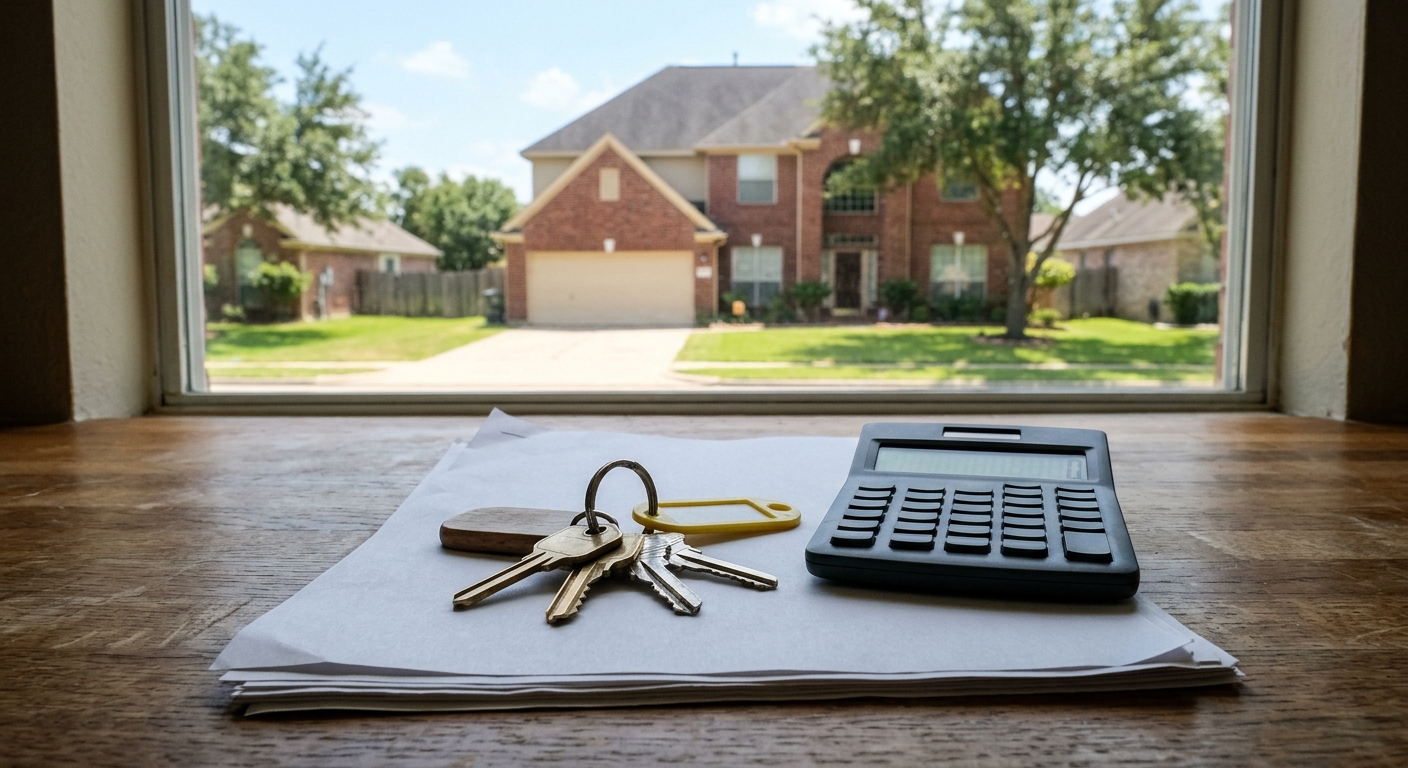
High housing costs continue to strain Texas households. More than half of the state’s 4.3 million renters are "cost-burdened," spending at least 30% of their income—three out of every ten dollars—on housing. This leaves less money for essentials like food, healthcare, transportation, childcare, and savings. Nevertheless, average monthly rents were largely unchanged for Texas tenants.
Homeowners and Property Taxes
The burden on Texas homeowners, particularly those with a mortgage, increased slightly. About 32% of mortgaged homeowners are now considered cost-burdened. In contrast, the property taxes of homeowners who have paid off their mortgage decreased by about 4.2% from 2024 to 2025. Mortgaged homeowners saw property tax bills remain mostly flat. Despite lawmakers’ recent efforts to address high property taxes, Texas’ typical property tax bill remains above the national average, which rose over the same period.
Urban Housing and Demographic Trends
Urban areas showed unique patterns, with newly built apartments sitting alongside older homes, such as those in Dallas’ Oak Cliff neighborhood. Broader urban housing patterns illustrated continued development amidst affordability challenges.
Health Insurance Coverage
The Census Bureau modified its health insurance survey questions, but findings confirm that Texas continues to have the highest rate of uninsured residents nationally—a position maintained for over a decade.
Solar Panel and Electric Vehicle Ownership
In 2025, new survey questions showed that households in urban areas outpaced rural ones in solar panel ownership. Still, more than 80,000 of rural Texas’ 2.3 million households reported having solar installations, while the statewide solar adoption rate trails the national average of 5.2%. Travis County, home to Tesla’s Gigafactory, has a higher likelihood of electric vehicle ownership compared to other areas in the state.
Source: feeds.texastribune.org.