- calendar_today September 16, 2026
Texas – The recent news helicopter crash in Chatsworth has put the spotlight on aviation safety as the National Transportation Safety Board (NTSB) leads a meticulous investigation centered on live video footage deemed essential in uncovering the accident’s cause. The tragic incident resulted in the loss of three lives, including veteran pilot George Marciniw, respected reporter Eliana Moreno, and a bystander on the ground.
Live Coverage Video Emerges as Crucial Evidence
Investigators from the NTSB have identified live coverage video captured during the broadcast as the most vital piece of evidence in the ongoing helicopter crash investigation. Fabian Salazar, a lead NTSB investigator, emphasized efforts to acquire a high-quality copy of the footage. The intent is to analyze both visual and audio elements—including the helicopter’s engine sounds and advisory tones—that could offer insights into the moments leading up to the fatal event.
Rotor RPM Alarm and Emergency Maneuver Theories
Aviation expert Jeff Guzzetti, with decades of experience in helicopter crash assessment, pointed to an audible rotor RPM alarm heard during the video. According to Guzzetti, this warning may signal a loss of engine power—a critical scenario requiring immediate response. The footage suggests that the pilot executed a complex pilot emergency maneuver aimed at keeping the rotor spinning and attempting a safe descent. Despite these actions, the helicopter ultimately crashed, leading to a devastating outcome for those aboard and on the ground.
Expanding the Scope of Investigation
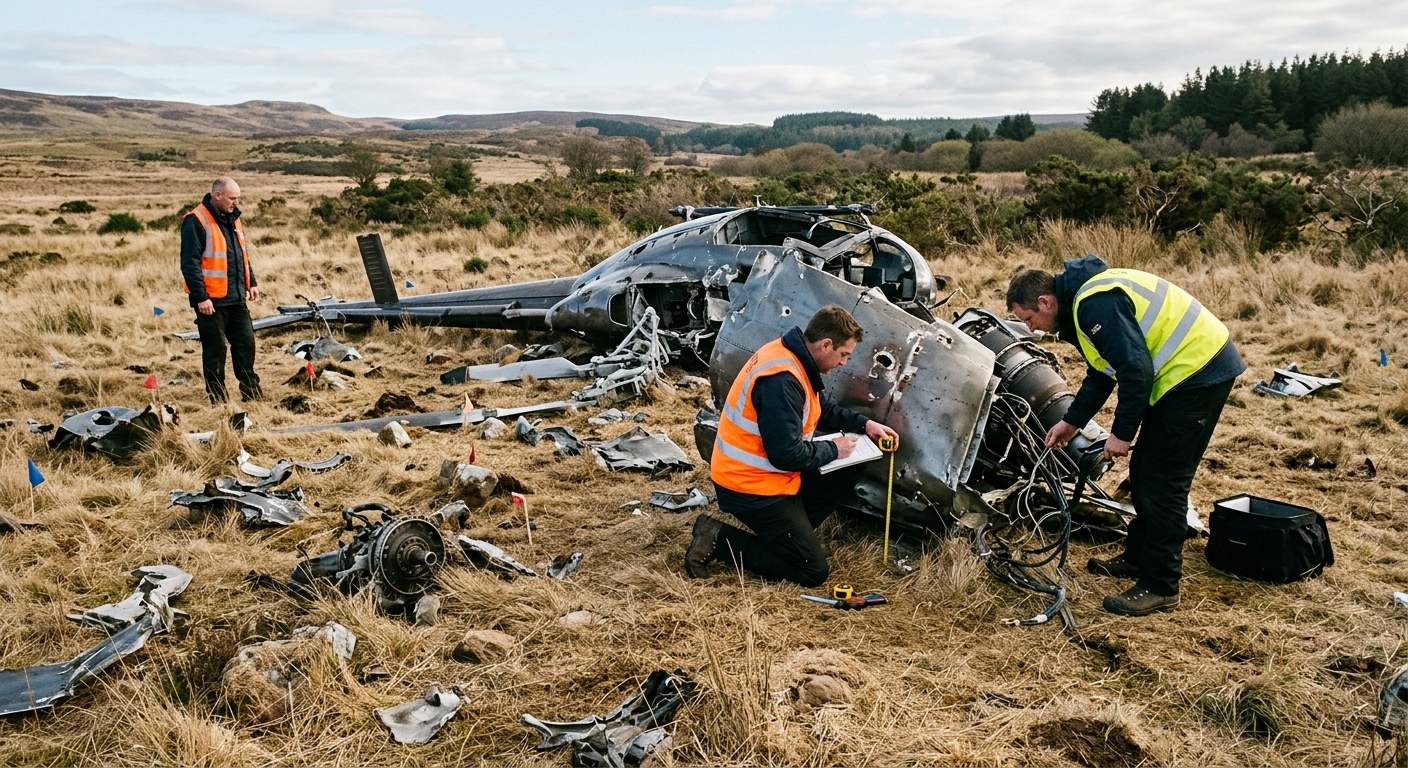
Beyond video evidence, NTSB investigators are gathering a comprehensive set of data to inform the ntsb investigation. This includes collecting and examining helicopter wreckage, reviewing pilot maintenance logs, evaluating weather conditions at the time of the incident, and interviewing eyewitnesses. Surveillance from nearby cameras is also being reviewed. These efforts are critical to reconstructing the sequence of events and identifying technical or human factors involved in the crash.
Recurring Risks in News Helicopter Safety
The Chatsworth crash underscores the hazards inherent in news helicopter operations. News organizations nationwide, including those in Texas, rely on helicopters for live updates, often flying in challenging conditions to deliver important coverage. Despite rigorous coordination and adherence to aviation safety protocols, the unpredictable nature of flying in complex environments keeps risk levels inherently high for news crews.
A Historical Perspective on Fatal Helicopter Crashes
This incident marks NBC4’s second fatal helicopter crash, with similar tragic events impacting newsrooms across the United States since 2000. The pattern of fatal helicopter crashes has led industry stakeholders and regulators to continually review news helicopter safety. In Texas, as elsewhere, local broadcasters and aviation authorities often collaborate to update best practices and reinforce training for flight crews to minimize risk.
NTSB Timelines and Next Steps
The NTSB expects to release a preliminary report on the crash within 30 days, offering early insights that may inform policy and operational changes. A full and final determination of the probable cause is anticipated in approximately 18 months, after all aspects of the investigation have been thoroughly reviewed. As Texas communities and newsrooms alike await answers, the focus remains firmly on improving safety and preventing future tragedies in news helicopter operations.