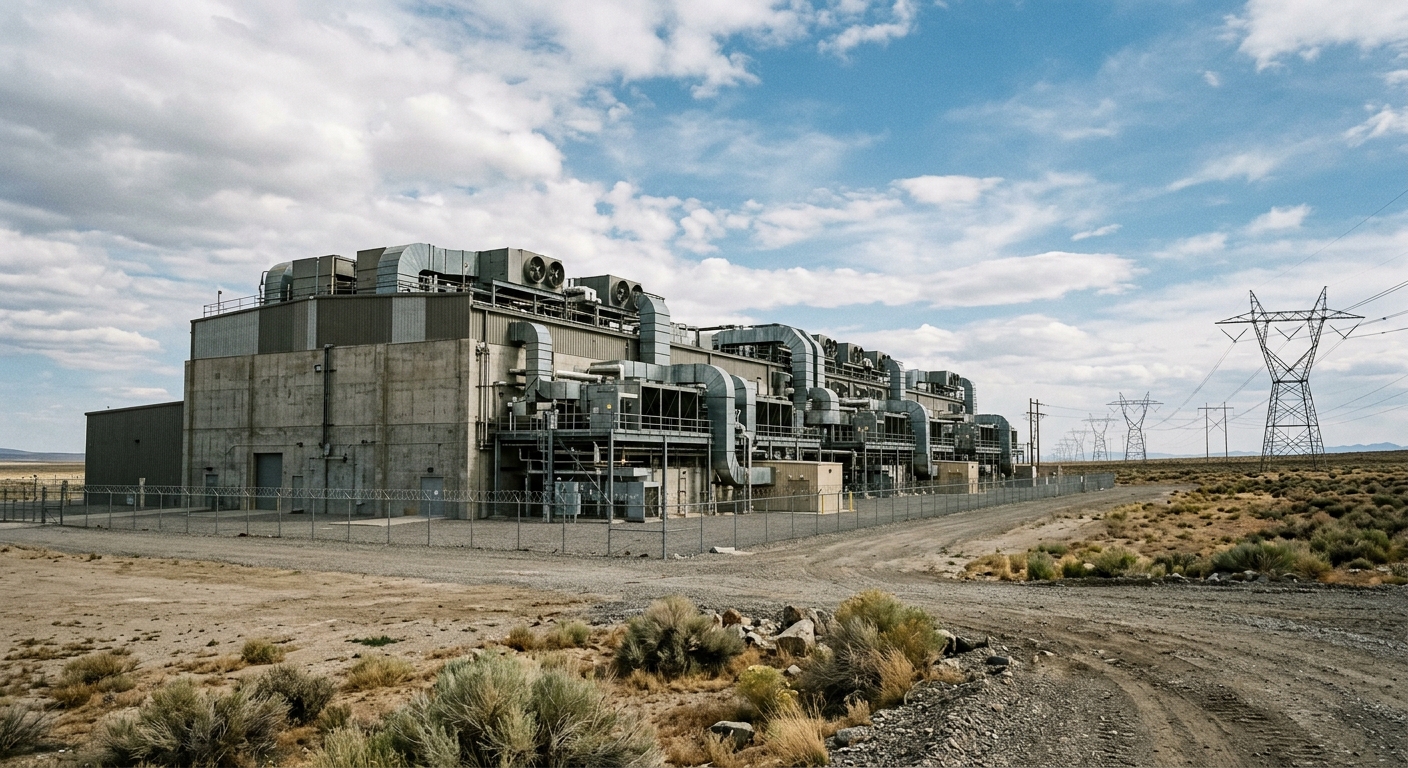
AI-generated illustration; not a photograph of the reported event.
- calendar_today August 3, 2026
Texas has placed a moratorium on the approval of new texas data centers, marking a pivotal moment for the technology and energy sectors in the region. The decision, announced by Governor Greg Abbott, aims to address mounting concerns over grid stability and regulatory compliance within the state.
Moratorium Targets Power Grid Demands
Governor Abbott’s directive suspends any further consideration of new data center proposals until state agencies complete comprehensive audits. This measure comes as the state grapples with unprecedented pressure on its grid infrastructure, with more than 1,800 projects now sitting in the ercot interconnection queue. These projects collectively request over 474 gigawatts of energy, a figure that exceeds Texas’ record peak demand by more than fivefold and raises intense scrutiny about power grid connection requests moving forward.
Regulatory Oversight Intensifies
Abbott instructed the Public Utility Commission (public utility commission) of Texas and the Electric Reliability Council of Texas (electric reliability council) to oversee the data center audit process. Regulatory agencies have been tasked with verifying critical details of each proposal, including claims regarding tax incentives, projected energy consumption, estimated water use, local community impact mitigation strategies, and ownership structures. The focus on accurate information is seen as a necessary step following revelations of incomplete or misleading disclosures by some planned facilities.
Emphasis on Grid Reliability and Consumer Impact
The current audit and approval freeze are part of a state-wide push to safeguard Texan communities from adverse effects linked to rapid data center expansion. Governor Abbott underscored the importance of denying grid access to any project failing the audit, emphasizing the dual priorities of safety and maintaining residents’ quality of life. Local governments and community leaders have expressed concerns about unchecked data center growth driving up energy consumption and straining water supplies, making the state’s actions especially relevant to those in regions like Central and North Texas, where development has been most rapid.
Expanding Industry Under Scrutiny
Texas ranks as the nation’s second-largest market for texas data centers, with over 335 operational sites and hundreds more in planning or active development. Data center regulation is now front and center among industry executives, particularly as the audit reveals that approximately 90% of new power requests originate from data center projects alone. This shift has attracted attention from state lawmakers and utility officials, who are concerned that such high demand could threaten grid stability, increase energy costs for households, and pressure local infrastructure.
Broader Effects on Business and Technology Sectors
The moratorium is expected to influence not only large-scale developers but also businesses dependent on cloud services, tech startups, and regional service providers. As the data center audit progresses, companies are being urged to reassess expansion plans and operational strategies in anticipation of possible regulatory changes. Industry experts warn that project delays may affect competitiveness, but also note that regulatory clarity could foster safer and more efficient data center impact for the state as a whole.
Calls for Transparency and Accurate Reporting
Central to the state’s concerns has been the reliability of information supplied by data center operators—especially regarding energy consumption, water use, and anticipated benefits for host communities. The public utility commission and electric reliability council are expected to require comprehensive documentation before projects can proceed. Enhanced transparency is being advocated by regional stakeholders, who believe it will lead to more sustainable grid infrastructure and better outcomes for residents and businesses alike.
Looking Ahead for Texas and Its Tech Future
As Texas reviews its policies on data center expansion, the outcome of the audit will be closely watched across the technology and energy industries. Advocates for responsible development say that a balanced approach—encompassing data center regulation, grid infrastructure improvements, and community protections—will be crucial for the region’s ongoing growth. The state’s decisions in the coming months are poised to set new precedents for how major infrastructure projects intersect with essential services for millions of Texans.