
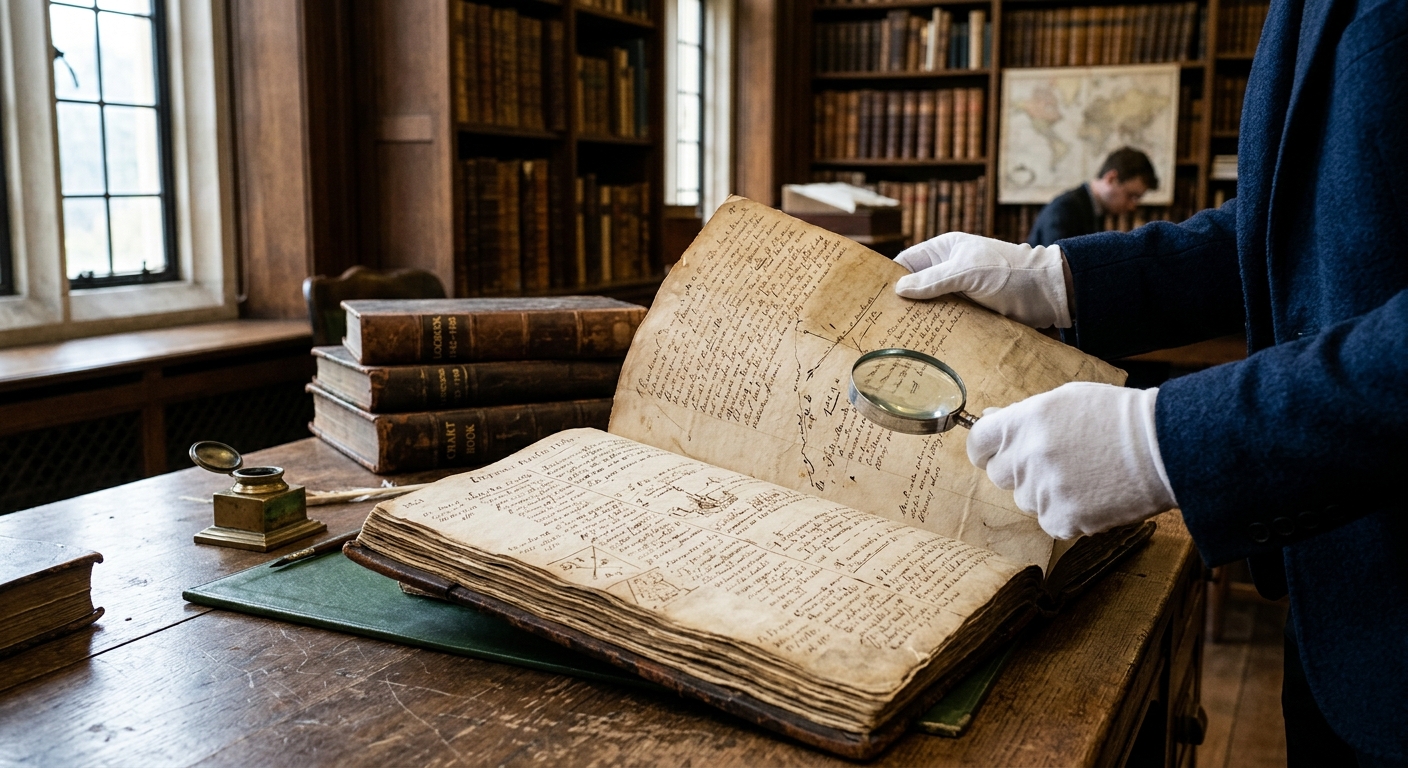
AI-generated illustration; not a photograph of the reported event.
- calendar_today July 3, 2026
Texas — Historians around Texas and across the U.S. are celebrating the extraordinary discovery of a rare early copy of the declaration of independence in the British National Archives, a find that forges a new connection between the region and the global story of American freedom. The document, an Exeter printing from 1776, resurfaced during a recent archival project and is believed to be the only known copy of its kind outside the United States.
An Exeter Printing Hidden in History
The invaluable find surfaced when Michael Scurr, a volunteer working at the British National Archives, was sorting 18th-century royal navy documents. He discovered the Exeter printing—one of only 11 copies ever identified—attached to a naval report detailing the capture of the american privateer Dalton on December 24, 1776. This historic historical document had traveled the Atlantic only months after the original signing by the Continental Congress that July.
A Privateer’s Mission and Capture
The privateer Dalton played a notable role during the american revolution, carrying this founding document as it sailed under orders to disrupt British shipping. The Dalton’s capture off the coast of Portugal marked not only a strategic naval victory for the British, but also the unexpected acquisition of the rare declaration of independence printing. The presence of the document aboard the ship reflects the determination of American forces to circulate ideals of liberty and justify their struggle at sea.
Suffering and Sacrifice at Sea
After being overtaken by the Royal Navy, the Dalton’s crew faced severe imprisonment, enduring difficult conditions far from home. Their story, now illuminated by this archival find, speaks to the personal costs of the revolutionary cause—a reminder that American independence was fought for on both land and water, resonating with Texans whose own regional history values perseverance and liberty.
The Broader Impact of the Discovery
With the 250th anniversary of American independence approaching, this discovery comes at an especially relevant moment for historians, educators, and communities across Texas. The exeter printing offers fresh scholarly insight into the international dimensions of the struggle for American independence, emphasizing how founding documents were mobilized in battle, captured, and preserved far from their point of origin. The document’s preservation in the British National Archives underscores ongoing transatlantic connections and the world’s fascination with the ideals first set forth by the founding fathers.
Unlocking Pivotal Narratives for Texas and Beyond
The story of this document’s perilous journey—crossing the ocean, serving inspiration for privateers, and surviving centuries in British custody—draws attention to the enduring legacy of the declaration of independence. For institutions and communities in Texas, the find is a poignant reminder that local and regional histories are woven into the global fabric of independence and self-determination.
Continuing the Search for Hidden History
Historians enthusiastic about this find anticipate that further examination of British and international archives could yet reveal additional treasures relating to key moments of the American Revolution and beyond. The discovery in the British National Archives stands as proof that pivotal founding documents can still emerge, deepening public understanding and inspiring future generations in Texas and elsewhere to reflect on the sacrifices, struggles, and ideals that shaped a nation.


