- calendar_today June 12, 2026
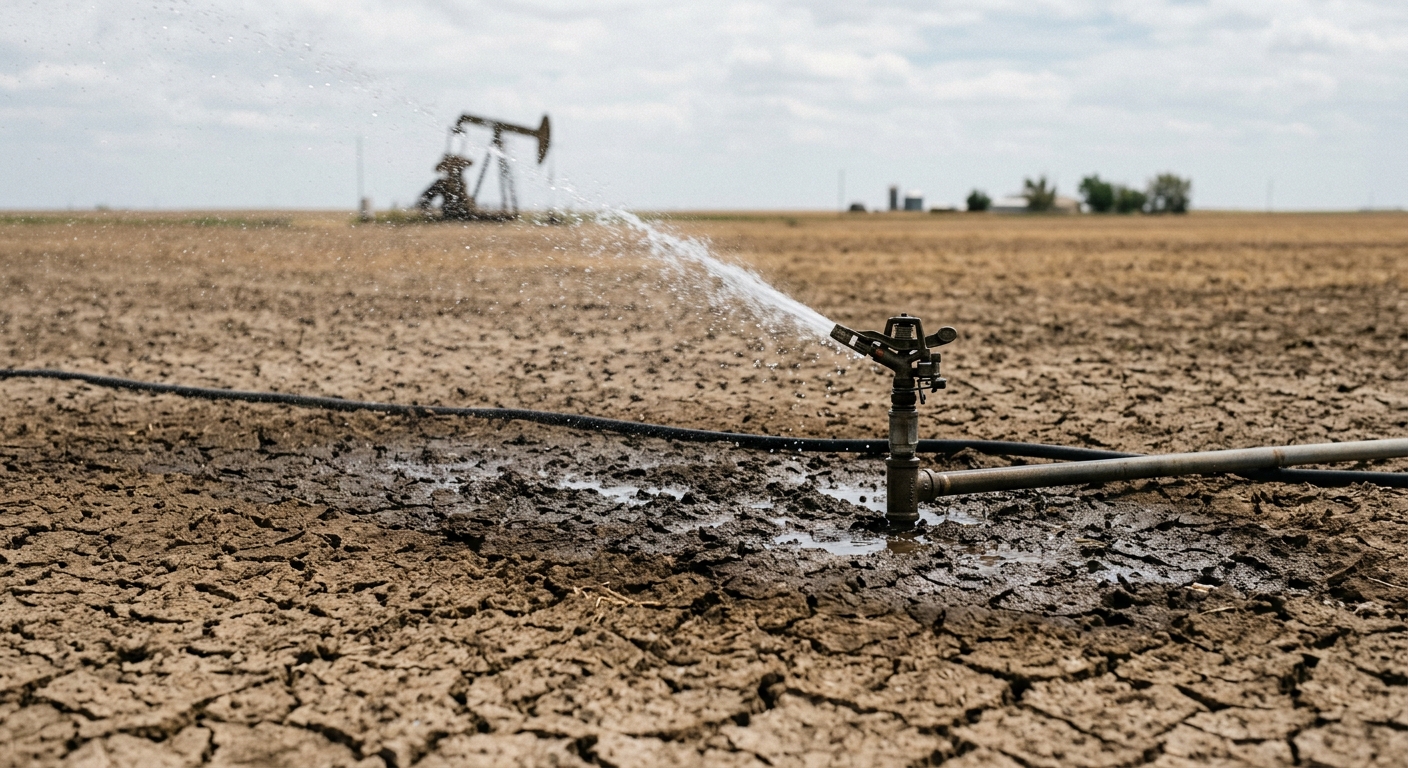
AUSTIN, Texas — In response to mounting drought and a looming water supply crisis, Texas regulators are moving forward with a proposal that would allow treated produced water—a byproduct of oil and gas operations—to be used for agricultural irrigation across the state’s farmlands.
Addressing Texas’s Water Supply Challenges
As the demand for water intensifies throughout Texas, officials are searching for innovative ways to bolster the available resources. One approach gaining traction is the reuse of oilfield wastewater, known as produced water, which is currently being evaluated by the Texas Commission on Environmental Quality (TCEQ). The agency’s draft regulations aim to offer new avenues for water reuse while maintaining environmental vigilance.
The Composition and Risks of Produced Water
Produced water emerges from deep underground during oil and gas extraction, bringing with it a complex mixture of substances. These can include high salinity, heavy metals, radioactive materials, hydrocarbons, and an array of industrial chemicals. Experts and environmental advocates have warned of potential water contamination if these unique constituents are not effectively addressed by regulatory and water treatment protocols.
Regulatory Framework Under Consideration
The TCEQ’s proposed rules would mandate that any land application of treated produced water receive water permits and be subject to site monitoring. Supporters say the regulatory structure is robust, adapting existing wastewater regulations and water quality standards to the oil and gas sector’s byproducts. However, critics maintain that the guidelines were developed primarily for municipal effluent and do not fully account for the unique challenges posed by materials like radionuclides and PFAS commonly found in produced water.
Balancing Public Safety and Innovation
Proponents, including several Texas water researchers and the oil industry, believe that modern water treatment technologies and a science-based framework can deliver a safe, valuable source of water for agricultural use. This optimism comes as Texas faces frequent drought and a growing water supply crisis that threatens the viability of rural communities and farming operations. Local institutions and universities are following the regulatory discussion closely, noting its significance for both agricultural resilience and public health across the region.
Pilot Projects and Ongoing Water Research
The Texas Produced Water Consortium, based at Texas Tech University, is spearheading pilot projects to better understand the technical and environmental implications of reusing produced water. Early findings from these initiatives indicate that with advanced treatment, the water may be suitable for certain uses. Still, researchers caution that more water research is needed to assess potential impacts on crops, ecosystems, and long-term soil quality. The ongoing pilot programs are collaborating with local farms and agencies, highlighting Texas’s leadership in this emerging area.
Public Input and Next Steps
Residents and stakeholders will have an opportunity to voice their opinions at a public hearing scheduled for June 15, 2024. The TCEQ will gather feedback and review scientific findings before finalizing the implementation of these rules. The decision is expected to set important precedents for similar drought-prone regions considering novel solutions for water scarcity.
As Texas’s environmental, agricultural, and energy sectors converge in the search for sustainable answers, the state’s experience with produced water could inform policies nationwide. The coming months will be pivotal as public debate and further research shape the future of water reuse in Texas and beyond.